Compare the best clippers for burst fades in this motor, blade and guard guide. New to fades? Start with our fade haircut for men guide.
Understand the clipper specifications that affect control before deciding whether home cutting makes sense. The focus is practical selection—not sponsored rankings.
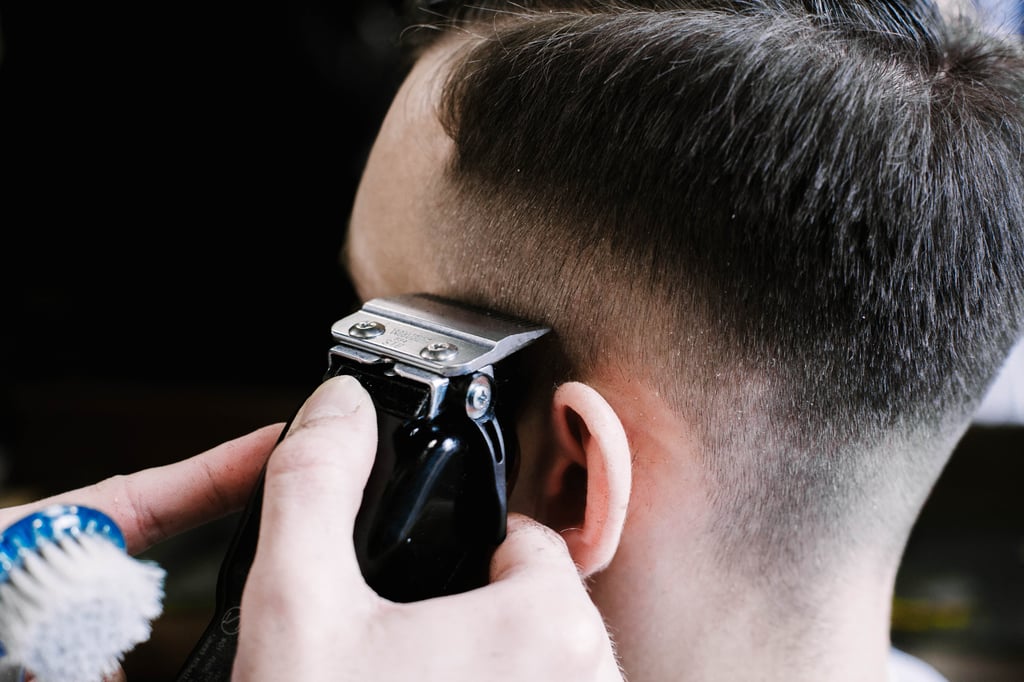
A clipper does not create a clean burst fade by itself. Blade control, consistent guard fit, visibility and technique matter as much as motor power. For most readers, clippers are better for simple perimeter maintenance than rebuilding the curved transition at home.
Motor and cutting consistency
A motor should move through the intended hair density without snagging or losing speed. Dense or coarse hair benefits from consistent power, while occasional light cleanup may not require the heaviest professional unit.
Noise, vibration and heat also affect control during longer sessions. A powerful clipper that becomes uncomfortable quickly may be a poor practical choice.
Blade and lever control
An adjustable lever makes it easier to work between guard lengths, but only when its range is predictable and the blade is aligned safely. Guard teeth should lock firmly without rocking.
Do not zero-gap a blade simply because a tutorial does. Incorrect alignment can scratch or cut skin. Follow the manufacturer’s setup instructions or ask a qualified professional to service it.
Corded versus cordless
Cordless clippers improve movement around the ear and neckline. Check realistic runtime, charge behavior and whether the tool can run while plugged in. Corded models avoid battery aging but add cable management.
Replacement blades, guards and batteries matter more than a long accessory list. A tool that can be maintained is usually a better long-term buy than one with many weak attachments.
Know the limit of home maintenance
A burst fade curves through several zones and is difficult to keep symmetrical on yourself. Use home tools conservatively for loose hair, sideburns or a simple neckline only when the original blend is still intact.
When the arc or weight line has changed, a professional reset is safer than chasing one side shorter and shorter.
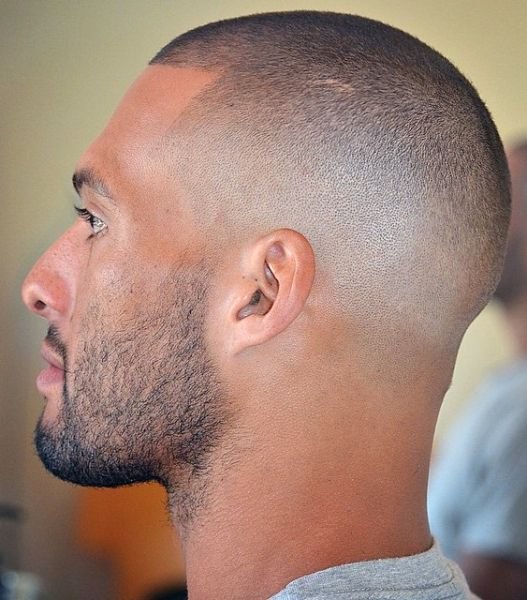
Visual decision guide
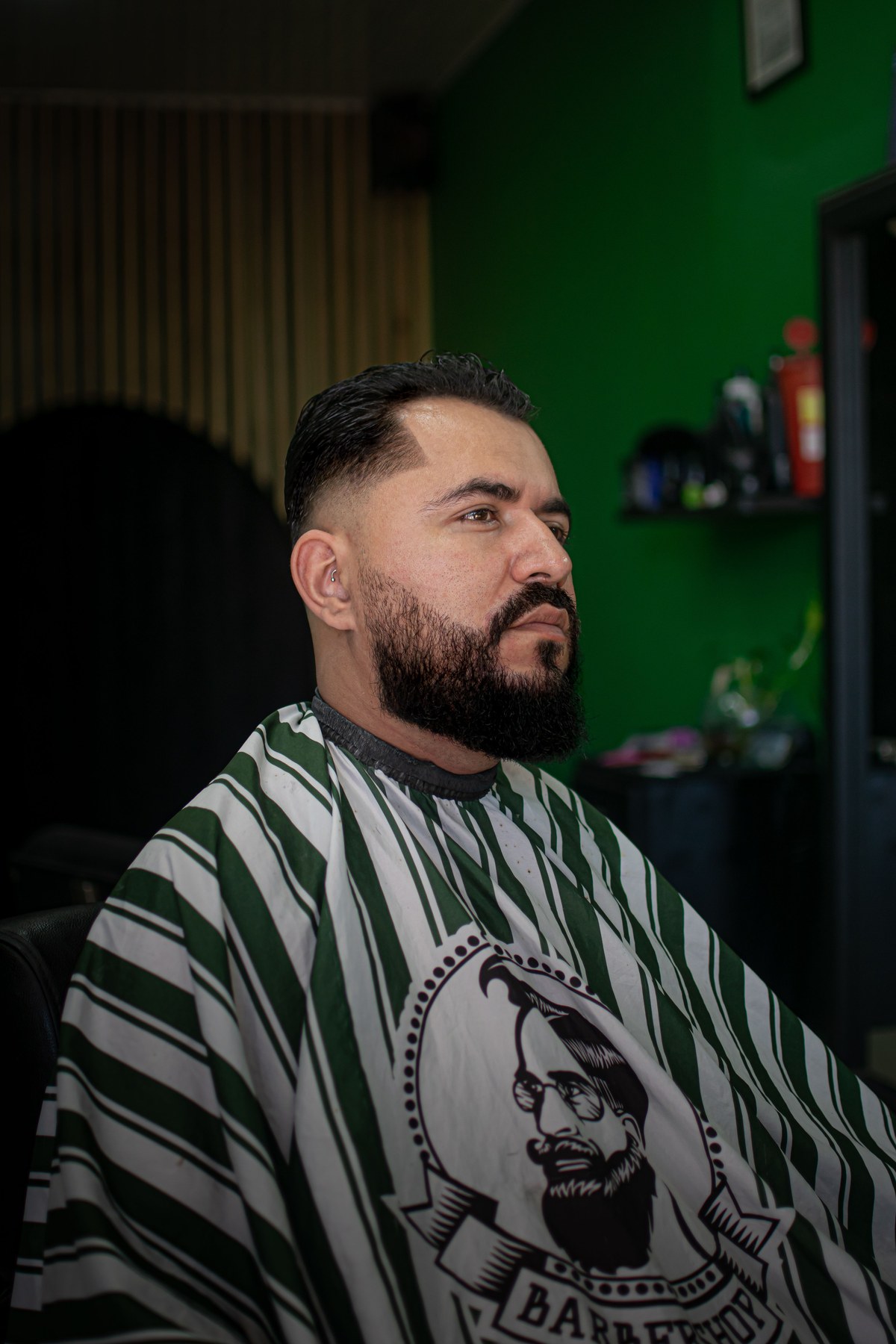
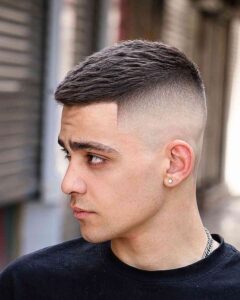
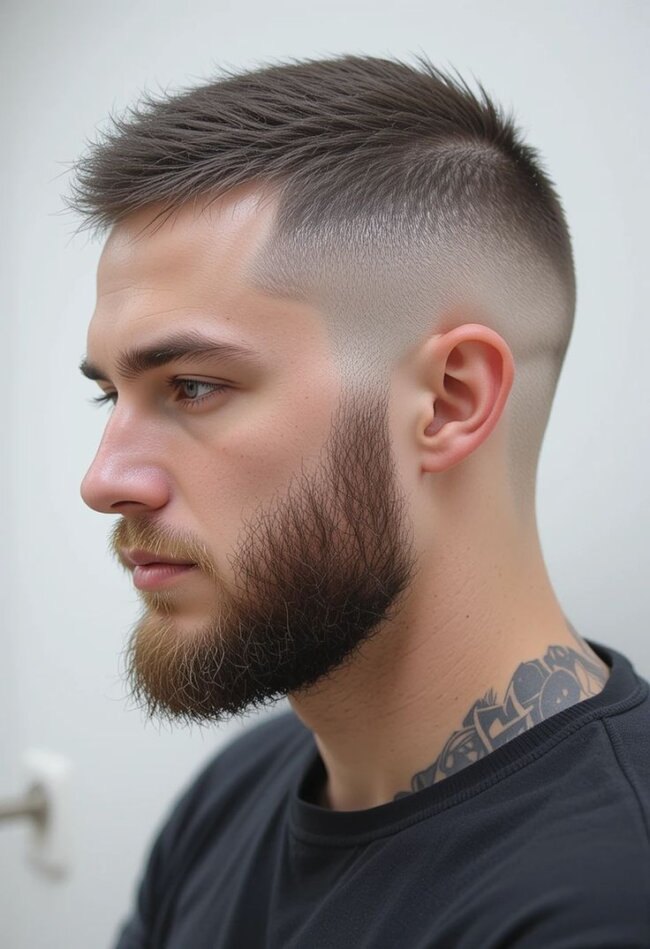
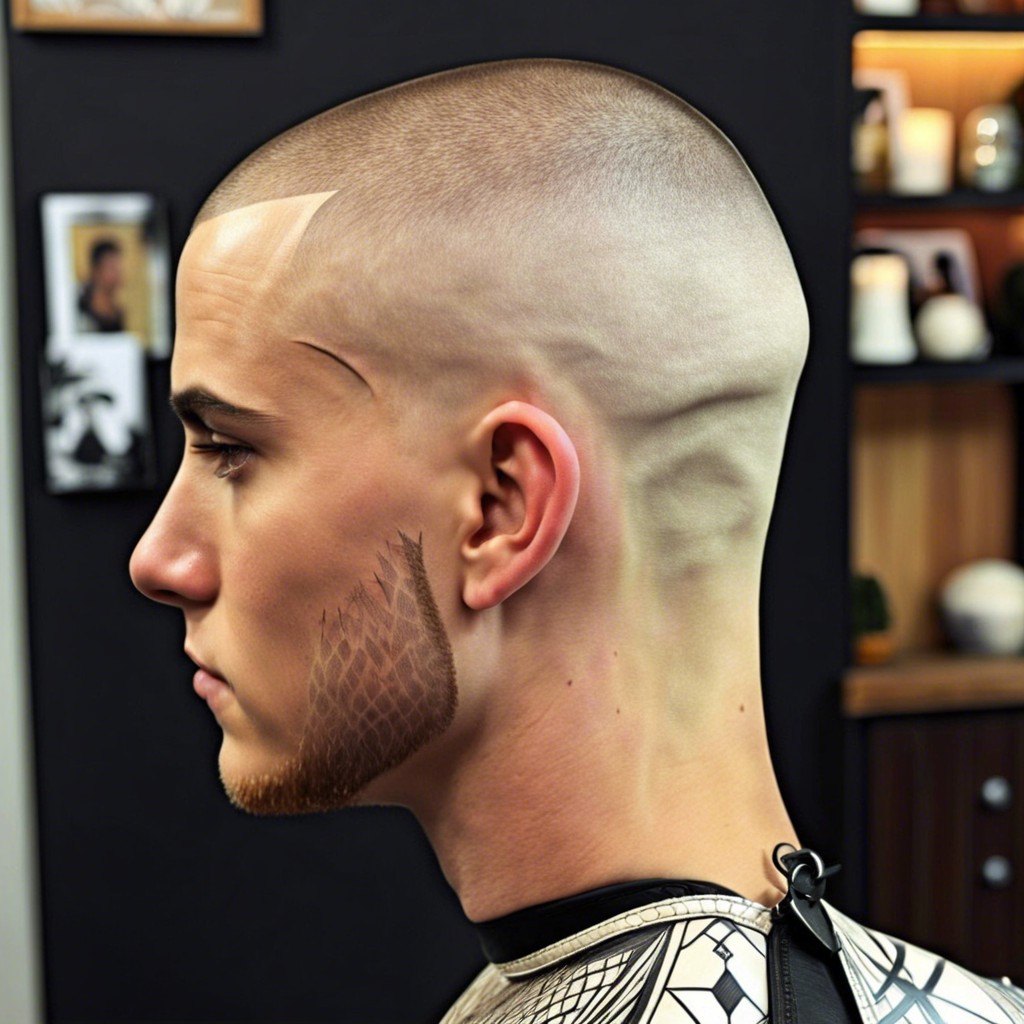
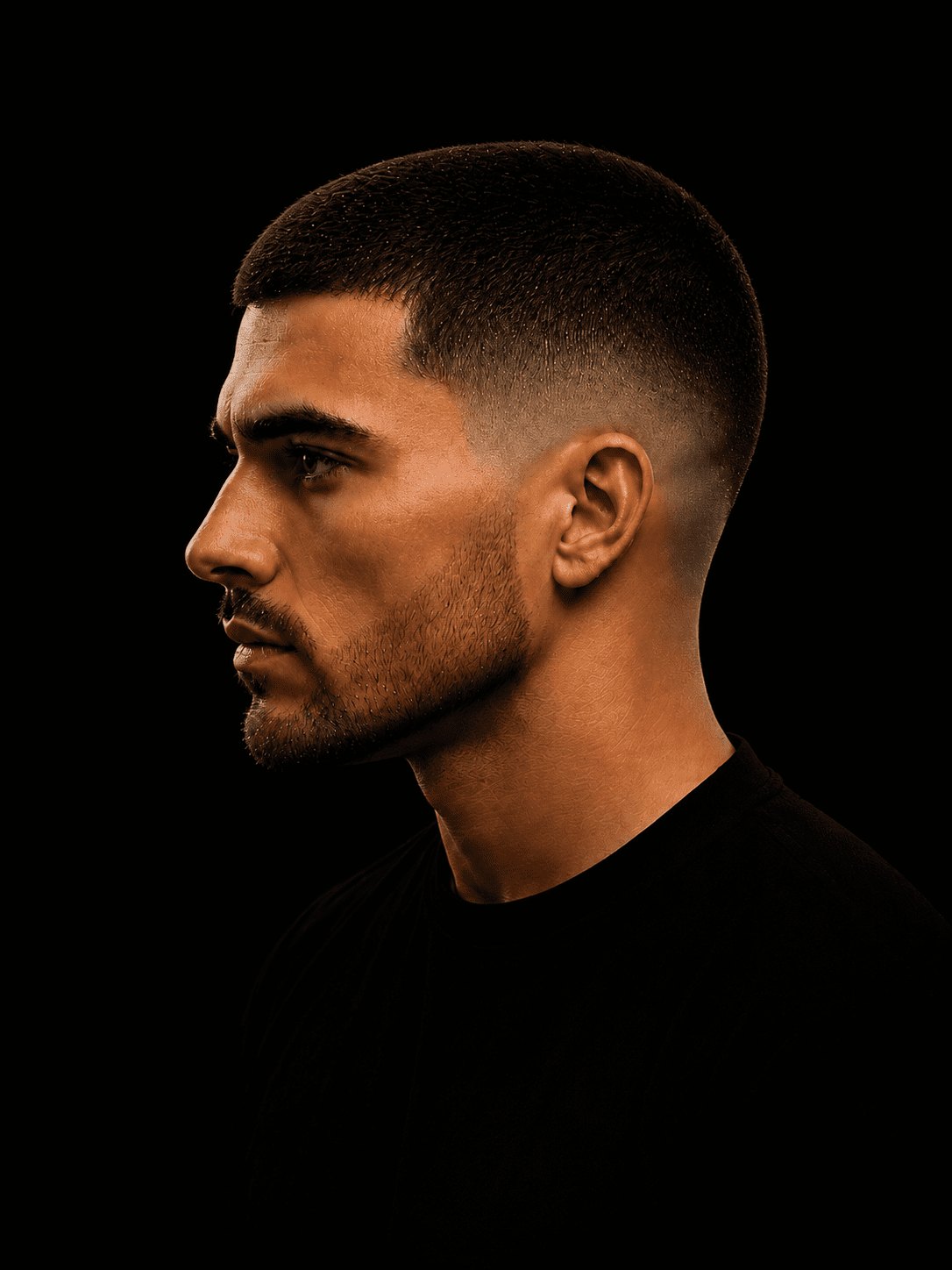
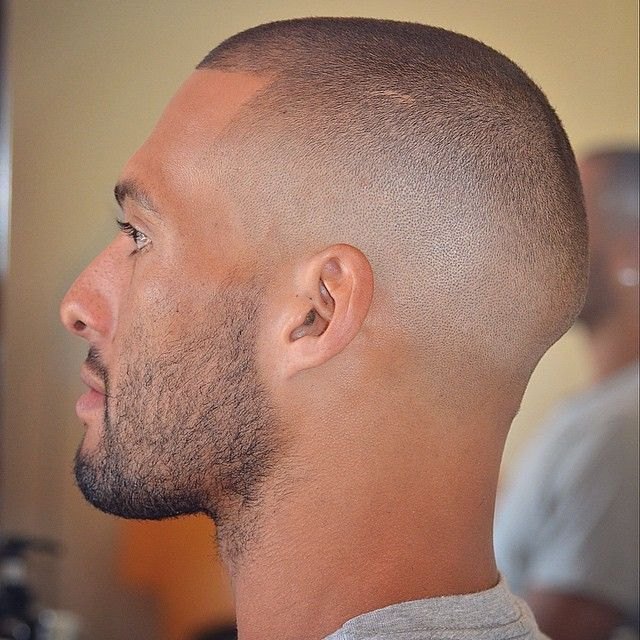
Use these real haircut references to judge the finish or tool outcome—not as product test claims.


Bottom line
Prioritize control, stable guards and replacement support; treat technique—not specifications—as the final limit.
This guide explains selection criteria and general grooming practice. Check current product labels, manufacturer instructions and professional advice where appropriate.
How to Choose Clippers for Burst Fades
Choosing clippers for burst fades comes down to control, not power claims. An adjustable taper lever is essential because it lets you blend between guard lengths without swapping guards constantly, which is critical for the curved burst fade around the ear.
Corded models offer consistent power for longer sessions, while cordless provides freedom of movement but requires attention to battery life and charge time. Look for a complete guard set with secure attachment; wobbly guards create uneven lines. The best clippers for burst fades pair a reliable motor with guards that lock firmly.
Blade maintenance matters more than marketing: regular oiling, cleaning, and the ability to replace blades extends the tool’s life significantly. A quieter, cooler-running motor reduces hand fatigue during detailed work. Avoid chasing the most powerful motor if it compromises balance and visibility. For home use, prioritise a model you can comfortably manoeuvre around the ear curve, as technique and visibility affect the result more than raw specifications.
The takeaway: choose clippers for burst fades that balance control, comfort and maintenance. A well-kept mid-range clipper will outperform a neglected flagship every time. The best clippers for burst fades are the ones you’ll actually maintain.