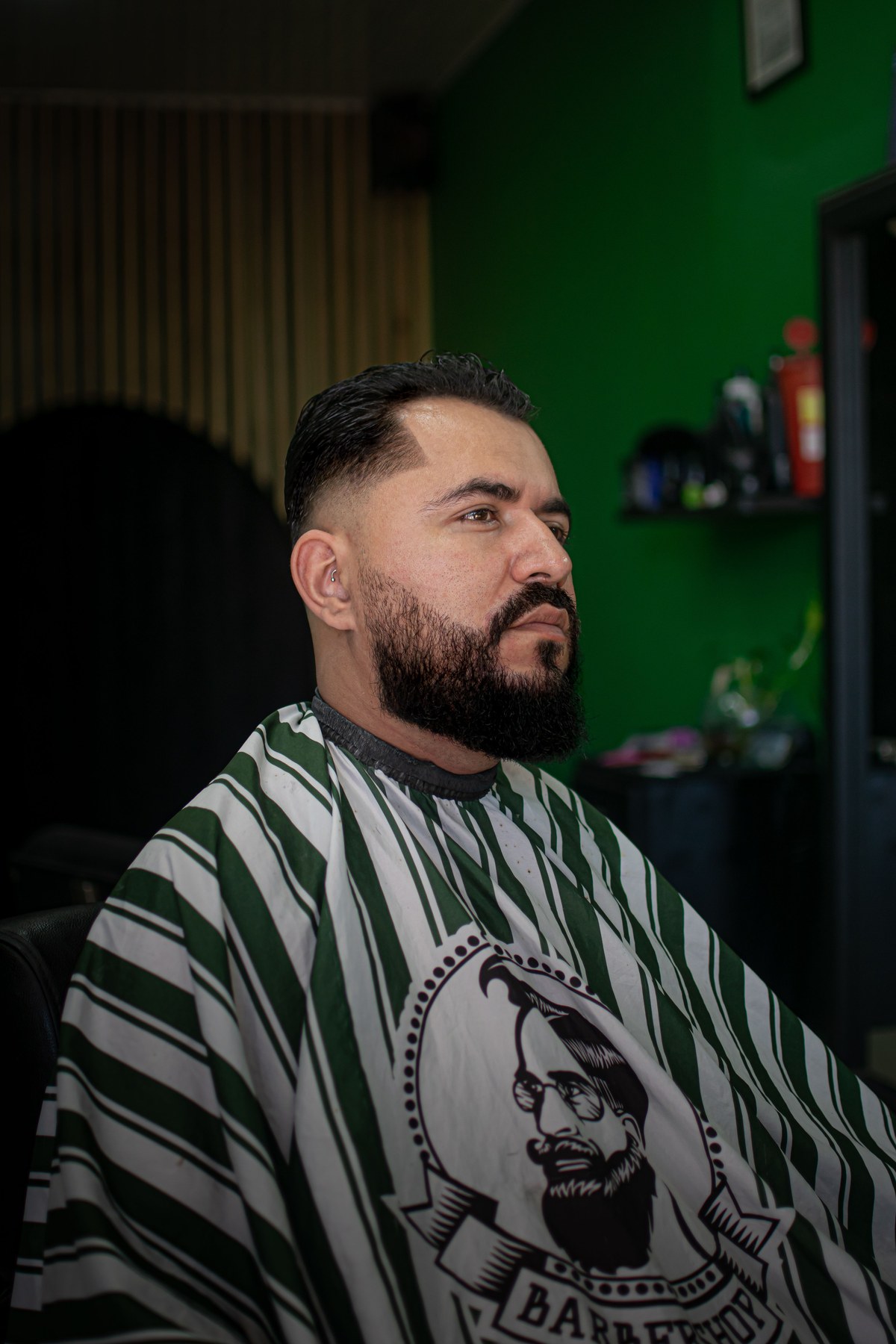
A placement-first guide to the burst fade low taper: map the temple, ear arc, weight line and nape before your barber starts cutting. Practical guidance on shape, barber language, styling and maintenance.
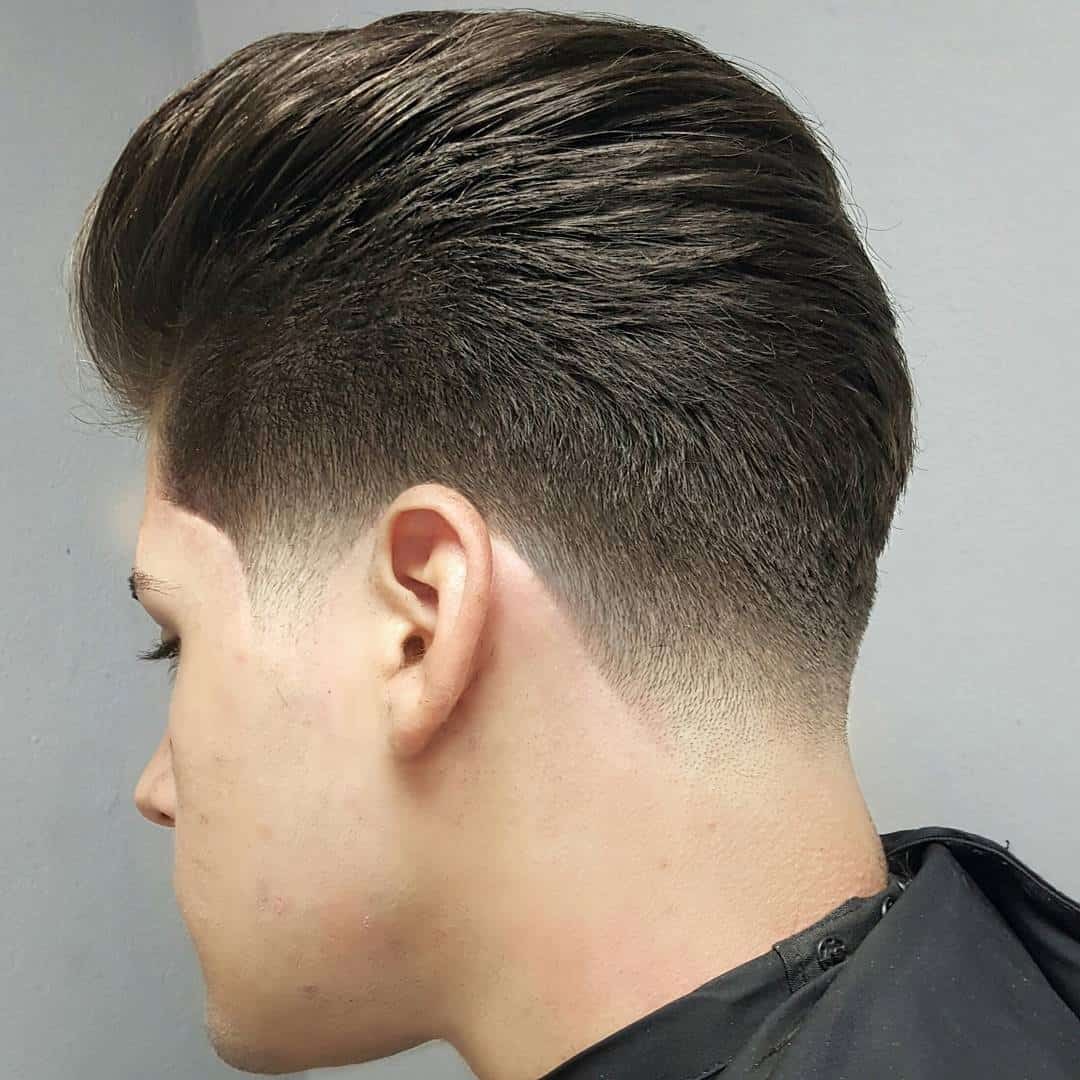
A burst fade low taper is best understood as a placement map. The temple taper starts small, the fade arcs tightly around the ear, the darker weight line stays intact above it, and the nape taper finishes low without erasing the center back. This guide focuses on where each zone begins and ends so the barber brief is measurable rather than label-dependent.
Start with landmarks, not labels
“Low” can mean different things in different shops. Use visible landmarks: the base of the sideburn, the front edge of the ear, the highest point above the ear and the point where the curve drops behind it. Show the barber where the shortest area should stop.
Placement should be confirmed on both sides because ears and growth patterns are not perfectly symmetrical. The goal is visual balance, not blindly identical measurements.
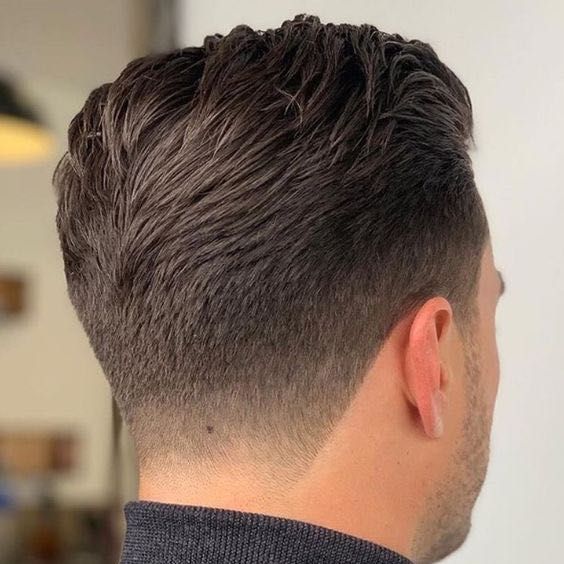
Map the temple taper for a burst fade low taper
The temple taper should clean the sideburn and front edge without opening a large patch. Decide whether the sideburn remains, shortens gradually or connects to a beard. A narrow taper keeps the front conservative and lets the ear arc provide the main shape.
If the temple is pushed too far back, the cut can resemble a broader fade. Ask the barber to preserve enough hair behind the front edge to connect with the weight line.
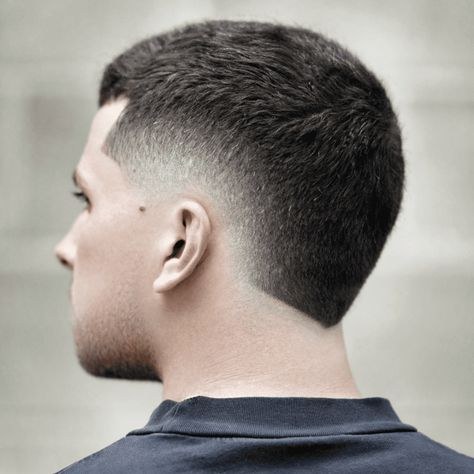
Map the ear arc
The arc should wrap around the ear with its highest point still low enough to protect the side. Its width matters as much as its height: too narrow, and the blend can show a line; too broad, and the low taper effect is lost.
Point to the exact amount of ear clearance you want. Glasses, protective equipment or frequent headwear may influence how much bulk feels comfortable in this area.
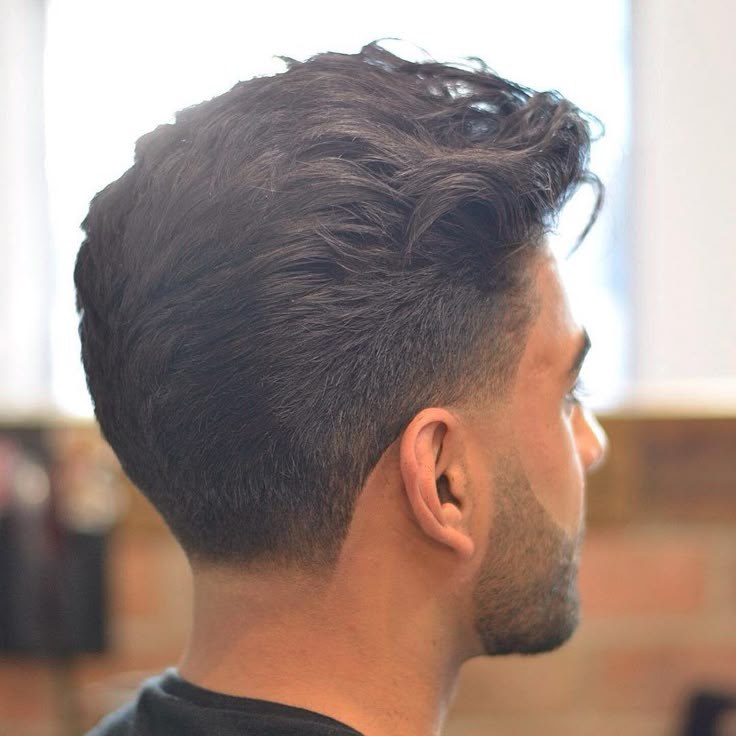
Protect the weight line
The darker section above the burst gives the top a foundation. On fine hair it preserves the appearance of density. On curls it supports the rounded pattern. On long hair it prevents the upper section from hanging over an empty side.
Ask the barber to refine bulk without erasing this connection. Internal weight removal can make dense hair manageable while keeping the outer silhouette intact.
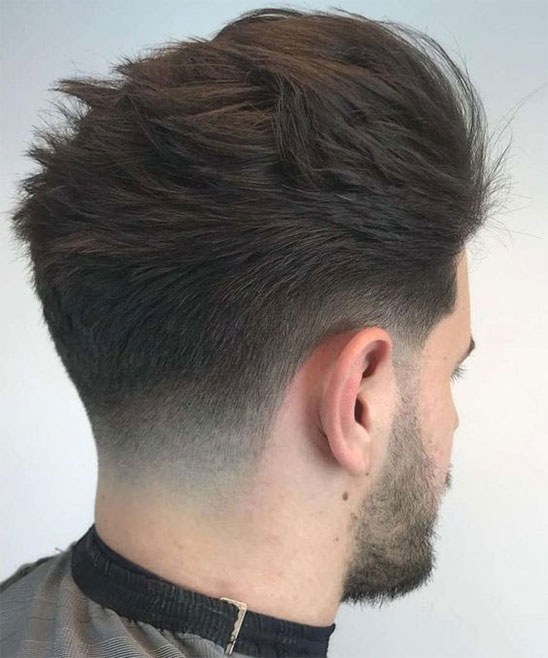
Map the nape taper
The nape taper should stay at the lower hairline and transition gradually into the center back. If you want a mullet or flow, protect that central length explicitly. If you want a compact cut, state where the back should finish.
A hard blocked neckline can look very sharp on day one but show growth sooner. A natural or softly tapered edge often supports the low-placement concept more consistently.
Choose skin or shadow
Skin exposure makes the landmarks more graphic and the arc easier to see. A shadow finish leaves short visible hair, reduces contrast and can be kinder to an infrequent maintenance schedule. The placement map is the same; only the shortest value changes.
If the skin is sensitive, discuss that before close work. Additional passes do not improve a result if they leave irritation.
Placement by texture
Straight and fine hair generally need a broader, softer transition. Dense hair can carry a compact high-contrast edge while retaining a dark shelf. Waves should be checked in their natural bend. Curls and coils need the arc to sit below the main curl mass and account for shrinkage.
Dry-state observation matters. Ask the barber to assess the usual direction and lift before wetting or stretching the hair.
A precise barber brief
Say: “Keep the temple taper within this front zone, center the burst on the ear without taking it above this point, preserve the darker band, and taper only the lower nape. Leave the center back connected.” Use a finger or photo to mark each boundary.
This approach is intentionally different from asking generally for a low taper burst fade. It treats the requested phrase as coordinates, reducing the chance that the fade expands beyond the area you wanted.
A mirror check for low placement
Use a side mirror to confirm that the lightest area remains close to the ear and that the darker shelf above it has not been pushed upward. From the rear, check whether the nape taper supports the same low visual weight. The two sides do not need to be mathematically identical, but they should respond consistently to natural growth and head shape.
If the cut feels too bold, do not automatically ask for a longer guard everywhere. The issue may be arc height, width of the transition or insufficient weight above the ear. Naming the exact placement problem gives the barber a better chance to correct the silhouette without sacrificing the clean perimeter.
For the closest companion reading, compare Low Taper Burst Fade: Shape, Suitability & Styling, then use Taper Burst Fade: A Complete Guide to the Burst Taper Fade to refine the decision before your appointment.
Frequently asked questions
Why is placement more important than the name?
Barbers may interpret the same label differently, while visible landmarks define exactly where hair should stay short or full.
How low should the arc sit?
Its highest point should remain close enough to the ear to preserve the side weight you want. The exact height depends on ear position and head shape.
Should the nape reach skin?
It can, but a shadow or natural finish usually grows out more quietly.
How is this page different from low taper burst fade guidance?
This page treats the cut as a zone-by-zone placement map; the companion guide focuses on the overall look, suitability and distinction from a low burst fade.
Conclusion
The strongest result comes from agreeing on placement, retained weight, top direction and upkeep before the barber starts cutting. Use the references to discuss those decisions, then adapt them to your texture and growth.
More verified free-stock references
Use these additional real photographs to discuss shape, placement and finishing details.



Written by Derek Nolan, an editorial pen name used for consistent authorship. No unverified barber credential or firsthand salon claim is presented. Visual references carry source credits with each image. Credited third-party photographs remain the property of their respective owners; source attribution is provided and rights concerns are handled through the Copyright Policy.