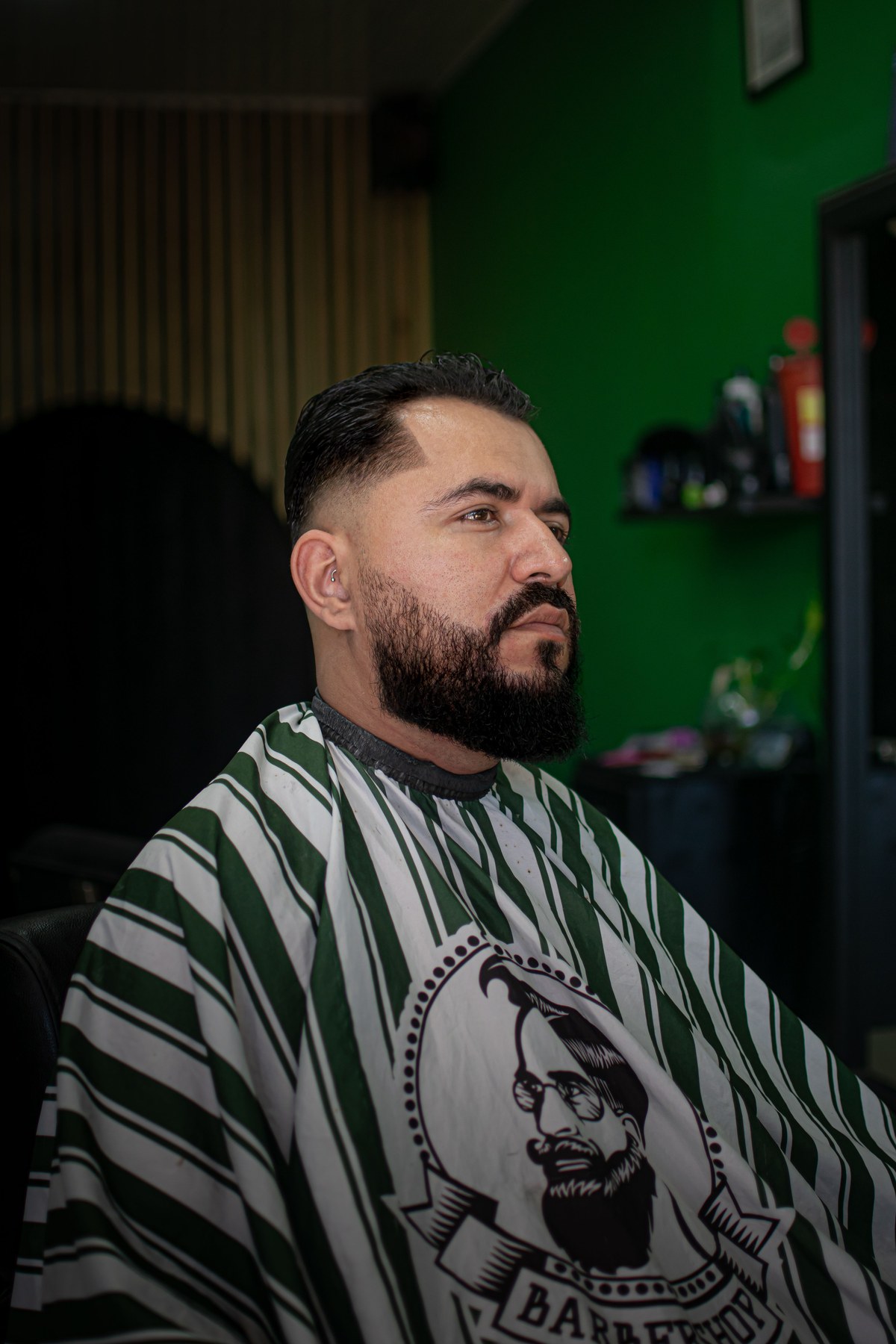
Compare burst fade vs taper fade placement, technique, grow-out, maintenance and suitability, including low taper vs burst fade and barber instructions. Practical guidance on shape, barber language, styling and maintenance.
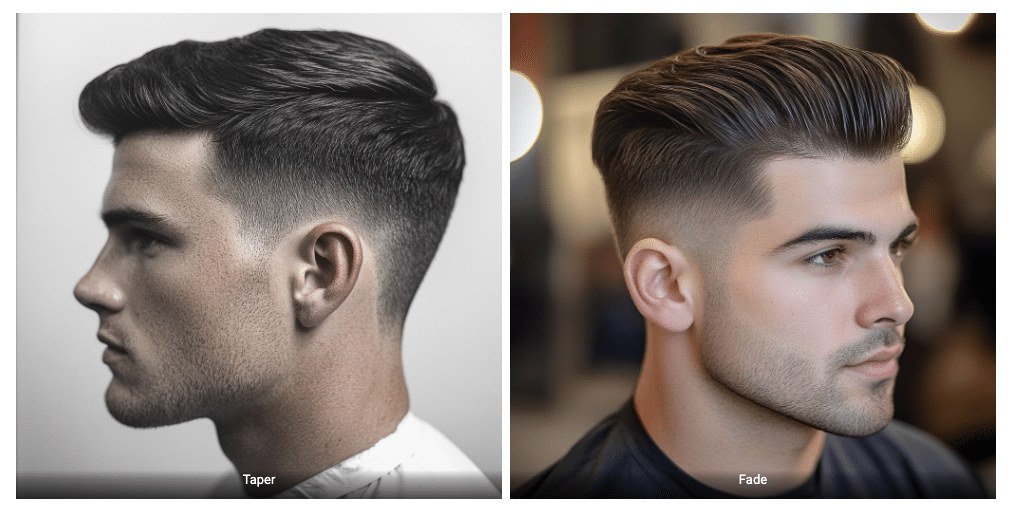
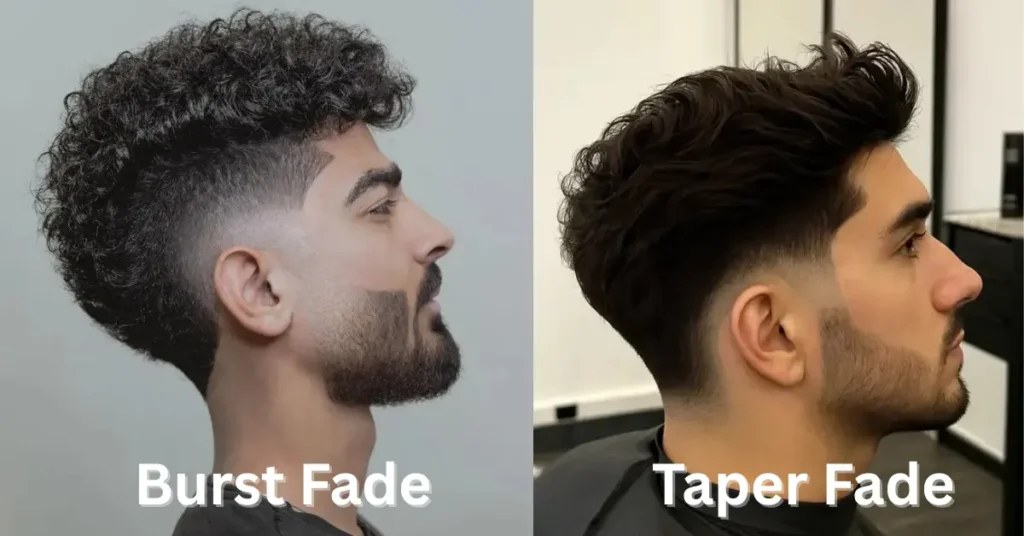
The difference between a burst fade and a taper fade is mainly placement. A burst fade creates a visible semicircle around the ear and usually drops toward the neckline. A taper fade shortens smaller zones at the temples and nape while leaving most of the side full. Choose a burst for a shaped profile; choose a taper for quieter perimeter cleanup. Framing the choice as burst fade vs taper fade keeps the decision focused on placement, not labels.
| Feature | Burst fade | Taper fade |
|---|---|---|
| Placement | Curves around the ear | Localized at temples and nape |
| Side coverage | Visible side-profile transition | Most of side stays fuller |
| Back shape | Often drops and preserves center length | Nape gradually shortens |
| Best known pairings | Mohawk, mullet, curls, flow | Crop, side part, quiff, classic top |
| Grow-out | Arc loses definition first | Perimeter softens first |
| Visual impact | Moderate to bold | Subtle to moderate |
Placement is the decisive difference
In a burst fade, the shortest area fans around the ear. The blend has a curved high point and descends behind the ear. In a taper fade, the shortening is concentrated near the sideburn and neckline, with more uninterrupted length across the side. Both can be low and subtle, but their geometry remains different.
Look at side and rear photographs when comparing. Front views can make both cuts appear similar because each may have a clean temple. The profile reveals the arc; the rear reveals whether the nape alone is tapered or whether a broader fade continues around the head.
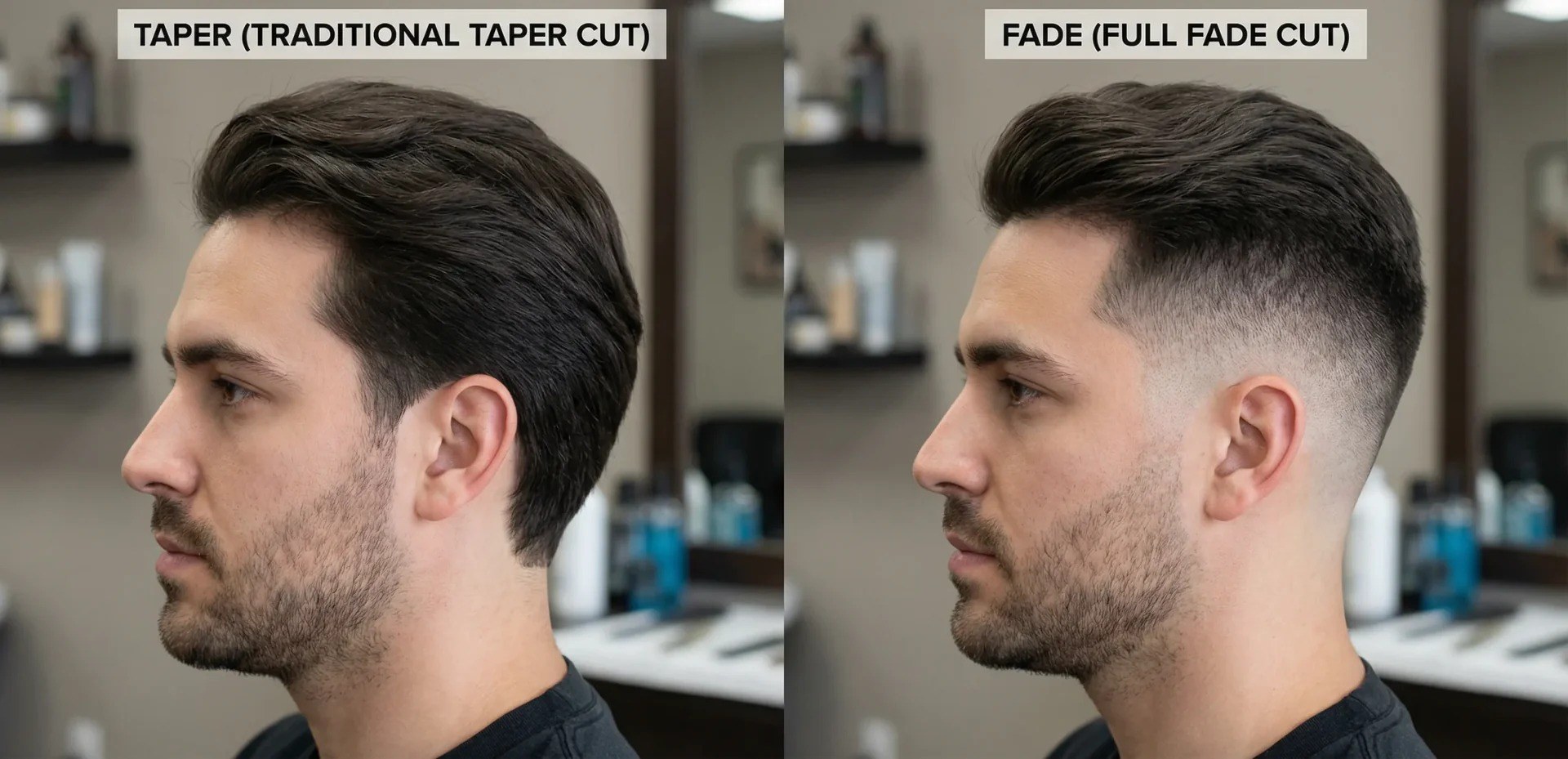
Technique and weight distribution
A burst requires careful mapping around the ear and a controlled connection to longer hair above and behind it. The barber protects a darker weight line so the top does not float over an empty side. A taper focuses on blending short perimeter zones into the existing side length without creating a large exposed panel.
Neither technique is automatically harder or better. Difficulty depends on texture, density, head shape and the requested contrast. A skin finish leaves less margin for correction than a shadow finish in either cut.
Who should choose a burst fade
Choose a burst if you want the side profile to be an intentional part of the style. It suits mohawks, faux hawks, mullets, rounded curls, waves, blowouts and longer tops that need clearance around the ear. The curve can also make a compact crop feel more distinctive without changing the front.
A burst works best when you are willing to discuss exact height and retained weight. If you want the haircut to look nearly unchanged from the side, a taper is usually the more direct route.
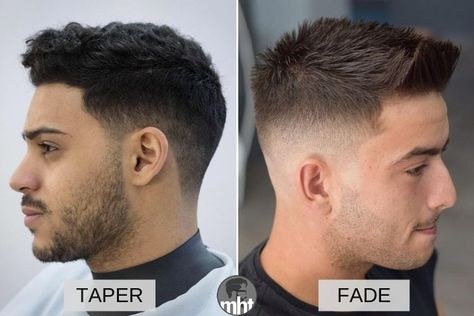
Who should choose a taper fade
Choose a taper if your priority is a neat hairline at the temples and nape while preserving the body of the sides. It fits conservative workplaces, first fades, longer classic tops and clients who prefer a less obvious grow-out. Low tapers are especially quiet because the transition stays close to the perimeter.
A taper does not have to be boring. A crisp temple and clean nape can frame texture on top without competing with it. It is also easier to combine with a side part or brushed-back shape when you want continuous side weight.
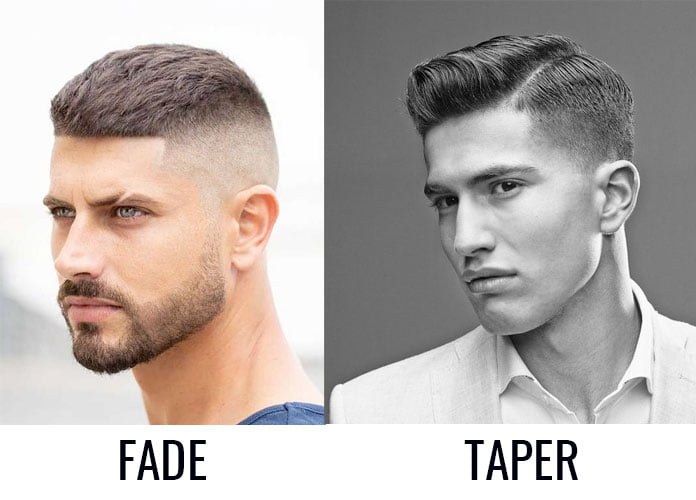
Low taper vs burst fade
A low taper is the most localized option: it gradually shortens just the front sideburn area and nape. A burst fade exposes a curved area around the ear. If your reference shows a broad arc, asking for a low taper alone may not produce it. If you want only a tidy edge, asking for a burst may remove more side weight than expected.
Some modern cuts combine both ideas. A taper burst fade uses a curved low transition around the ear plus tapered edges. If that is your target, name each zone separately instead of blending the labels into one vague request.
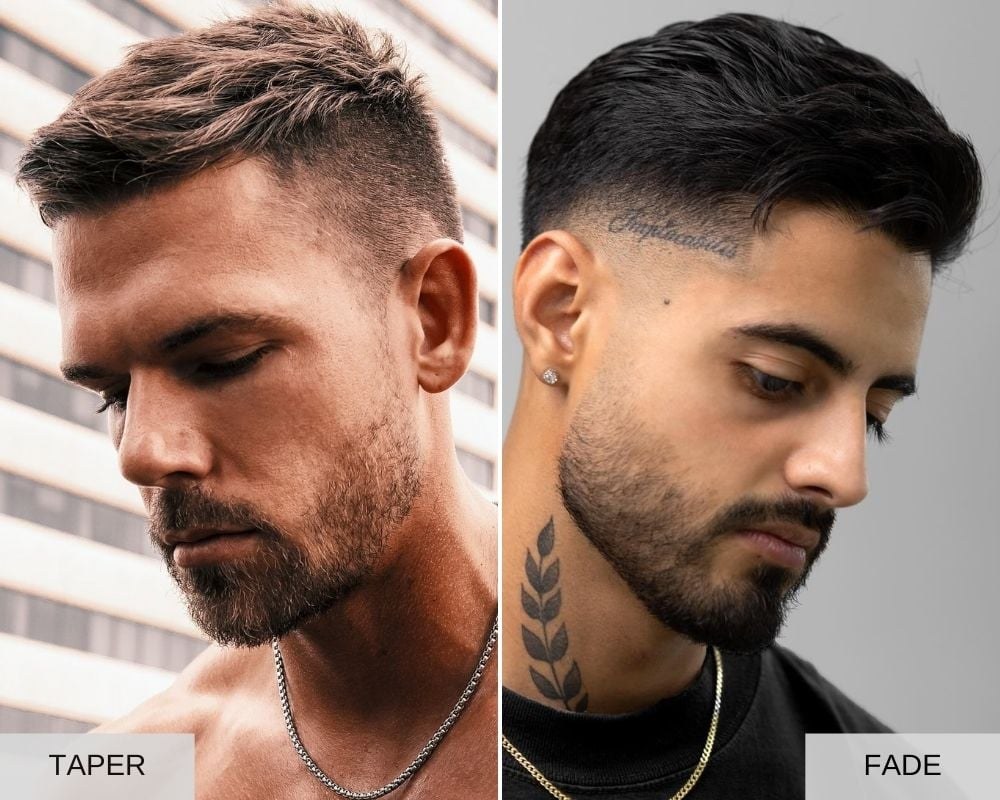
Maintenance and grow-out
A taper usually grows out more quietly because the shortest sections are small. The side retains body, and a perimeter cleanup may restore order. A burst fade can remain attractive as it softens, but its signature arc becomes less defined and the connection above the ear may feel bulky sooner.
Skin exposure increases maintenance in both cuts. If appointments are infrequent, request a shadow finish, natural neckline and modest contrast. Do not reshape either gradient at home unless you can see and control both sides safely.
Texture, density and face balance
Fine hair often benefits from the retained side weight of a taper, though a low shadow burst can also work. Thick hair can support a broader burst, provided bulk above the blend is controlled. Curls and coils can look strong with either: a burst frames the texture; a taper leaves a fuller rounded side.
Use face shape as a balance question rather than a rule. More top height and a cleaner side may lengthen a round profile. Retained side weight can steady a longer profile. Your barber should also consider ear position, temple recession and growth patterns.
What to ask your barber
For a burst: “Curve the fade around the ear, keep the highest point here, preserve weight above it and drop toward this neckline.” For a taper: “Clean the temple and nape gradually but leave the main side full.” Add whether you want skin or shadow and show side and rear views.
Ask the barber to repeat the plan before cutting. If the terms are being used differently, pointing at placement resolves the confusion. A clear visual agreement is more reliable than debating taper fade vs burst fade vocabulary. Settle the burst fade vs taper fade question with photos, and the vocabulary takes care of itself.
Verdict: burst fade vs taper fade
Choose a burst fade when the curved side silhouette is part of the style and you want stronger separation around the ear. Choose a taper fade when you want tidy edges, fuller sides and the quietest grow-out. Choose a taper burst fade when you want a visible low arc plus deliberate temple and nape cleanup.
The best choice is the one whose maintenance and proportions fit your routine. Bring the right angle of reference, state what must remain long, and let the barber adapt technique to your hair.
For the closest companion reading, compare Taper Burst Fade: A Complete Guide to the Burst Taper Fade, then use Low Taper Burst Fade: Shape, Suitability & Styling to refine the decision before your appointment.
Frequently asked questions
Which is more subtle, a taper fade or burst fade?
A taper fade is usually subtler because it shortens only the temple and nape. A low shadow burst can also be restrained.
Is a burst fade a type of taper?
They overlap in gradual blending, but their placement differs. A burst centers on the ear; a taper centers on perimeter zones.
Which grows out better?
A soft taper generally grows out most quietly. Contrast, neckline and individual growth speed matter in both cuts.
Can I combine them?
Yes. A taper burst fade combines a curved ear transition with tapered temples and neckline.
Conclusion
The strongest result comes from agreeing on placement, retained weight, top direction and upkeep before the barber starts cutting. Use the references to discuss those decisions, then adapt them to your texture and growth. Revisit this burst fade vs taper fade comparison before each appointment to keep the plan consistent.
More verified free-stock references
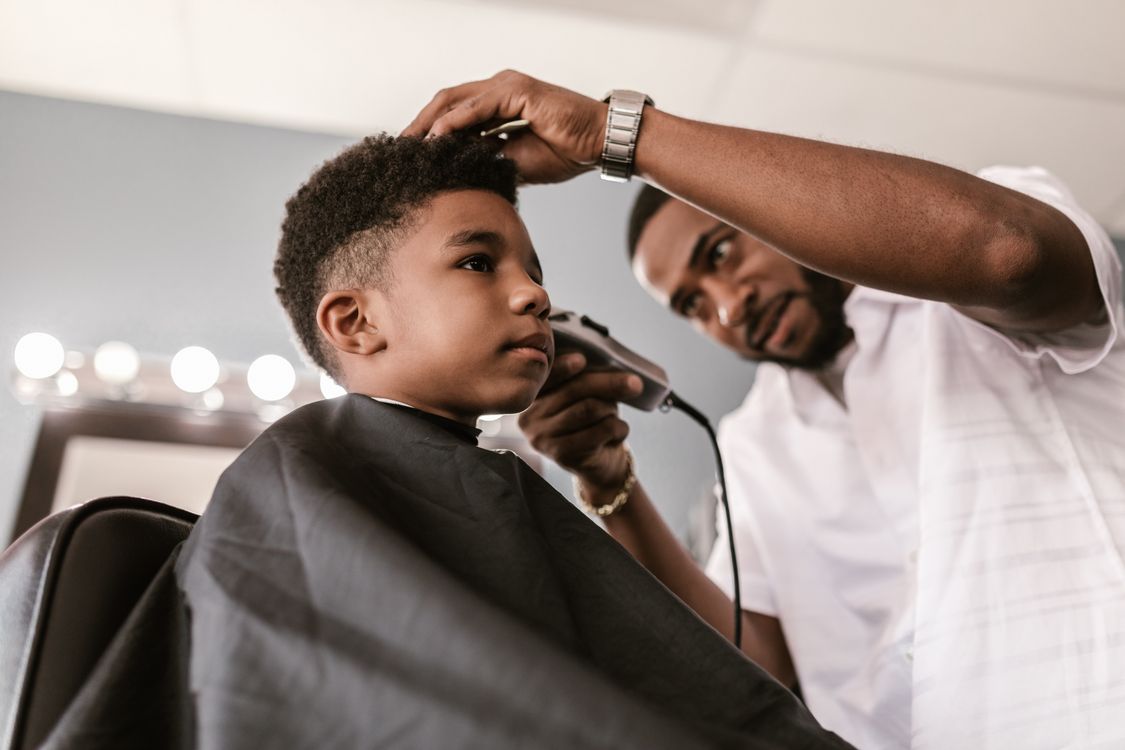
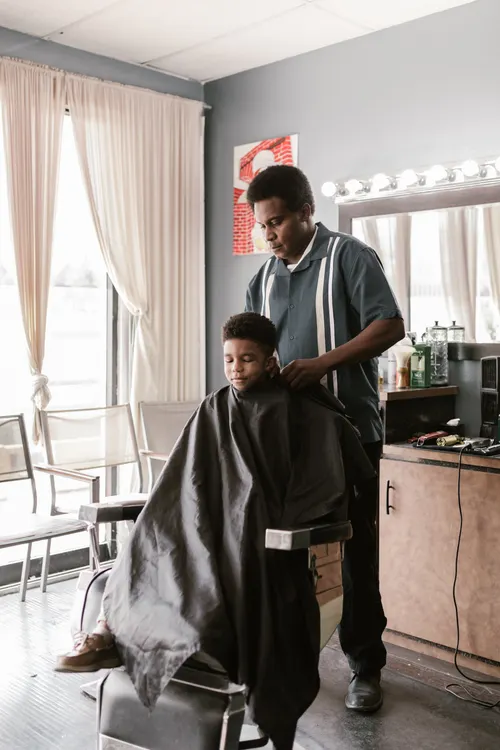
Use these additional real photographs to discuss shape, placement and finishing details.
Written by Derek Nolan, an editorial pen name used for consistent authorship. No unverified barber credential or firsthand salon claim is presented. Visual references carry source credits with each image. Credited third-party photographs remain the property of their respective owners; source attribution is provided and rights concerns are handled through the Copyright Policy.
The burst fade vs taper fade decision starts with placement. Weigh the burst fade vs taper trade-offs.