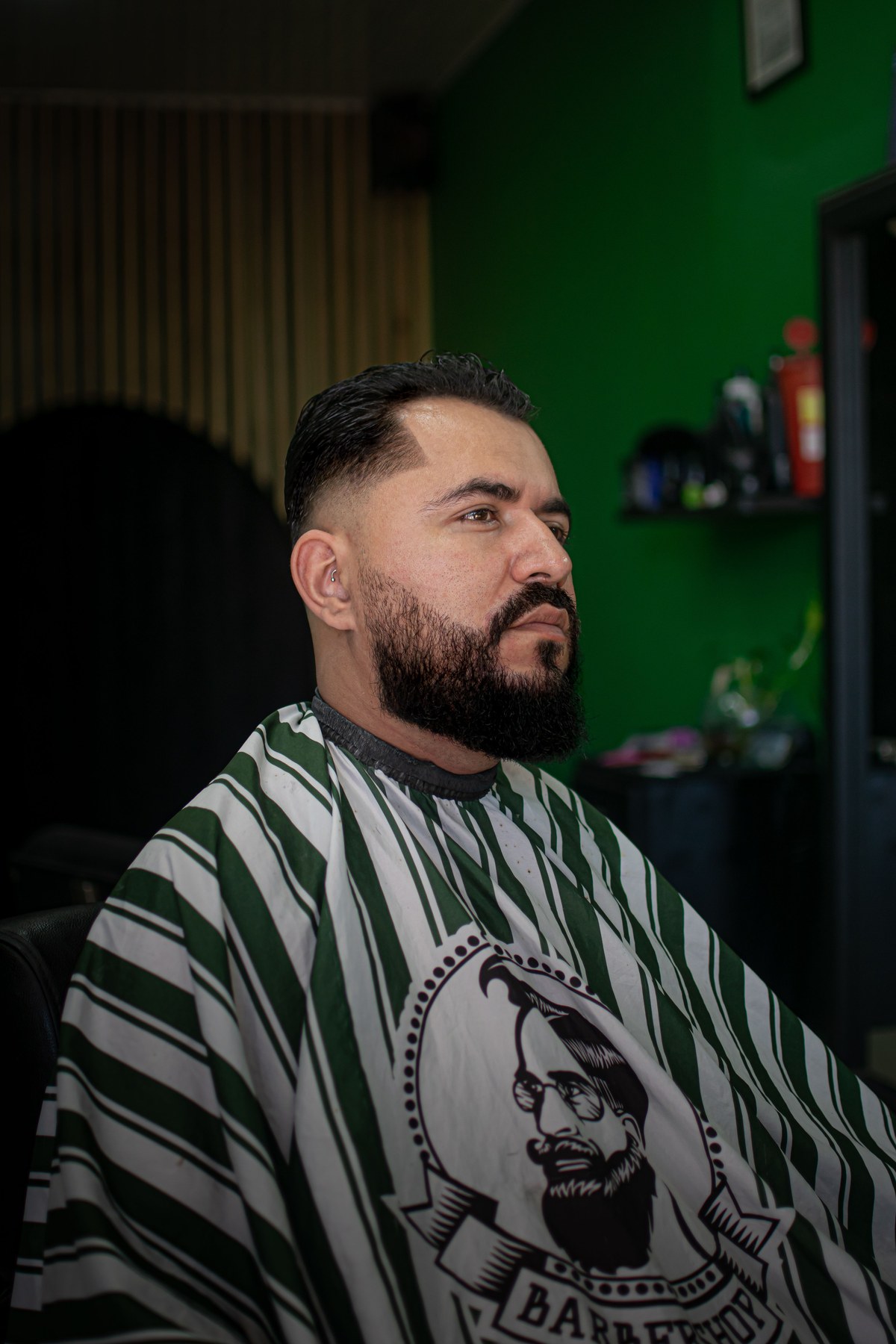
What is a burst fade? This is the complete guide
A burst fade explained in plain language: its curved shape, how it differs from other fades, who it suits, styling, maintenance and barber terminology. Practical guidance on shape, barber language, styling and maintenance.
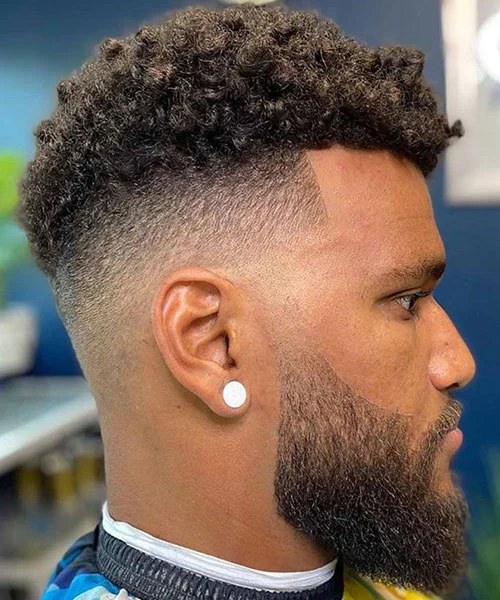
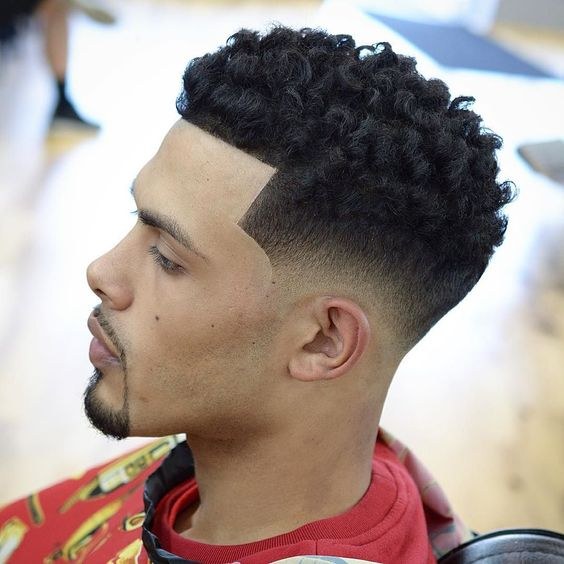
A burst fade is a haircut in which the hair gradually shortens in a semicircle around the ear, creating a radiating or “burst” shape. It usually drops toward the neckline while leaving more length through the back or center, so it pairs naturally with mohawks, mullets, curls, crops and longer textured tops. That curved placement is the simplest answer to what is a burst fade.
The simplest way to recognize a burst fade is to follow the shortest hair: it wraps around the ear instead of traveling at one even height around the head. The haircut can be low, mid or high, and it may fade to skin or remain as a soft shadow. Those choices change the contrast, but the curved placement remains the defining feature. Keep that arc in mind, and you will never need to ask what is a burst fade again.
What is a burst fade: the defining shape
The burst begins near the temple or sideburn, curves above and behind the ear, then drops as it approaches the back. A darker band above that curve connects the shorter zone to the top. When the weight line is planned well, the haircut has a clear profile without looking hollow.
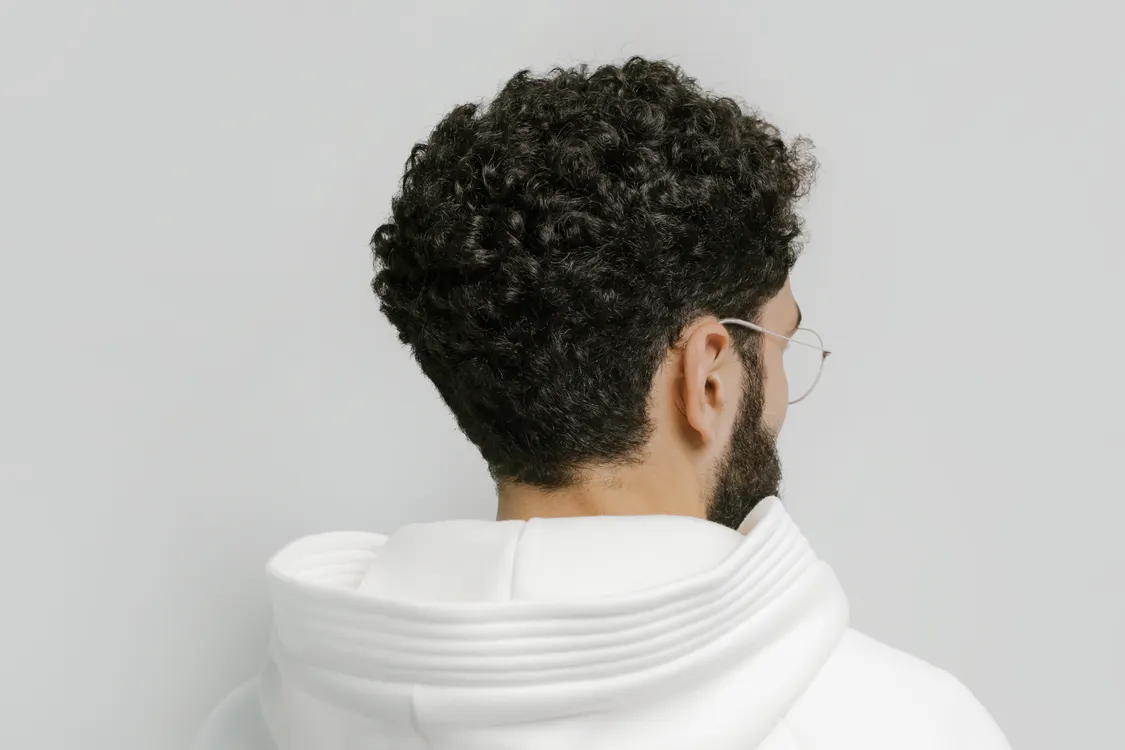
From the rear, many burst fades preserve a central strip of length. That is why the technique works with mohawks and mullets, but the longer strip is optional. A compact crop can use the same curved side transition and finish with a conventional neckline. Once you can trace that curve, you fully understand what is a burst fade.
Burst fade versus regular fade
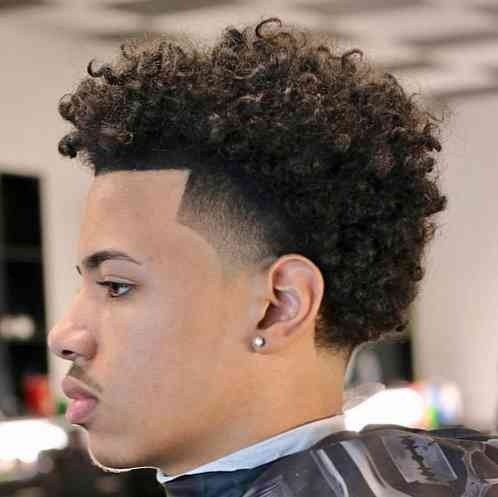
A regular fade often follows a more continuous horizontal path around the head. A burst concentrates the shortest area around the ear and allows the transition to drop behind it. A drop fade also descends toward the back, but it usually continues as a broader band rather than radiating around the ear.
A taper is more localized still, usually cleaning only the temple and nape. These categories overlap in real barber language, so placement is more reliable than labels. Show the shape you mean and identify the areas that should stay longer. That placement-first mindset is the heart of what is a burst fade.
Low, mid and high versions
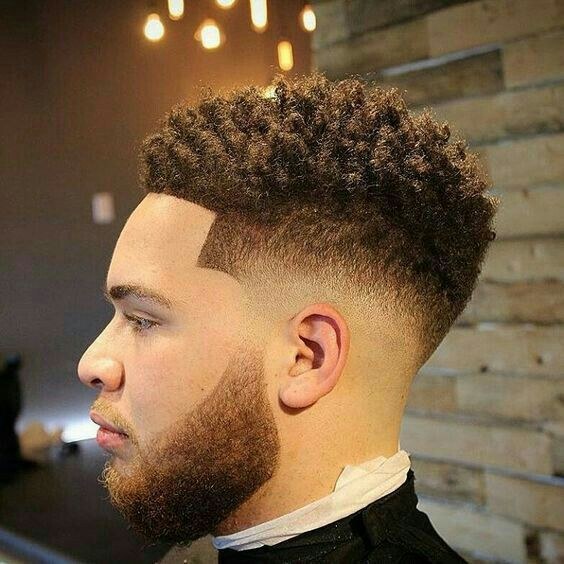
A low burst keeps the highest point close to the ear and retains more side weight. A mid burst creates a clearly visible arc with balanced contrast. A high burst lifts the exposed area and can sharpen a mohawk or tall textured top. The right height depends on density, head shape and the amount of maintenance you accept.
A skin burst removes hair to the skin at the shortest point; a shadow burst leaves visible hair. Neither is more authentic. The shadow option often grows out more softly, while a skin finish produces a more graphic first-week result. Choose the height that fits your routine, and what is a burst fade will read clearly from every angle.
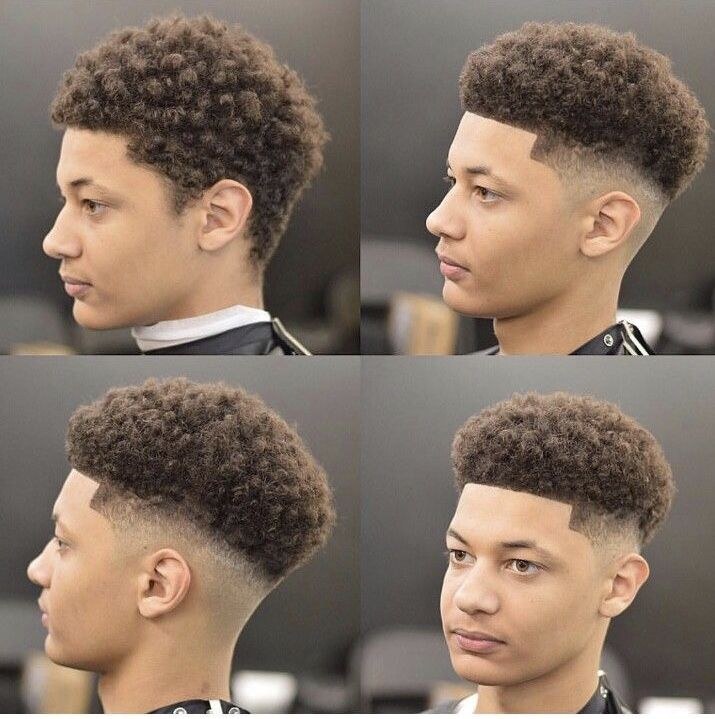
Hair textures and top styles
Straight hair makes the gradient and any unevenness easy to see. Waves add movement and can soften the connection. Curls and coils create a strong rounded silhouette, but the barber must account for shrinkage and preserve enough length for the pattern. Dense hair may need internal weight removal; fine hair often benefits from a lower blend.
Common pairings include a mohawk, faux hawk, mullet, textured crop, blowout, quiff, waves and longer flow. The fade should support the top rather than dictate it. Decide where you want visual volume before selecting the contrast below.
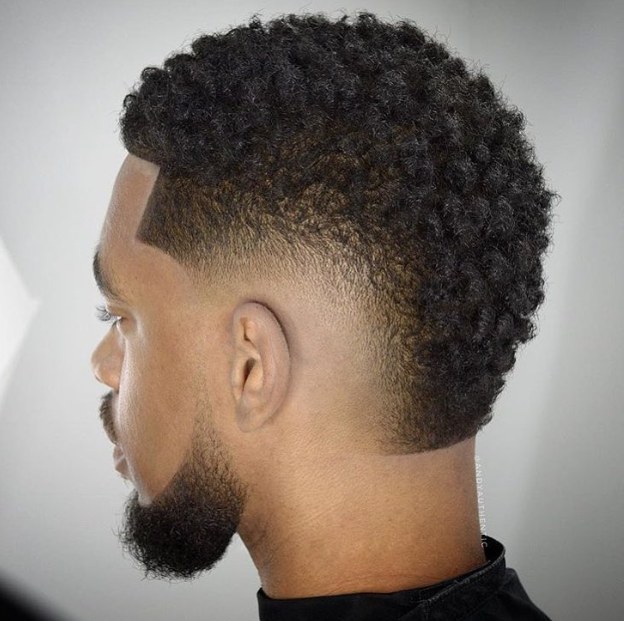
How barbers create it
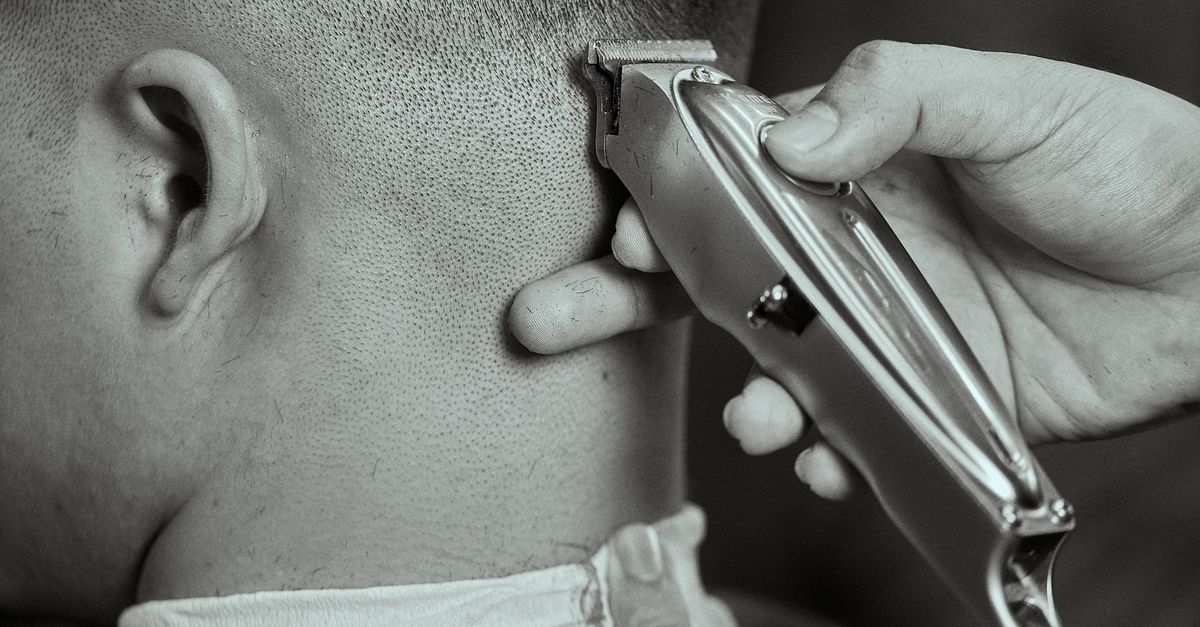
The barber maps the arc, removes bulk, sets the shortest guide and blends through intermediate lengths. Around the ear, tool angle and skin tension help keep the curve clean. The connection above the fade may be refined with clipper-over-comb or scissors, depending on length and texture.
The sequence varies, and guard numbers are not universal. Judge the result by a smooth gradient, balanced profiles and an intentional connection to the neckline and top. If the skin feels irritated, the finish is not improved by additional close passes. A clean, even arc is the true signature of what is a burst fade.
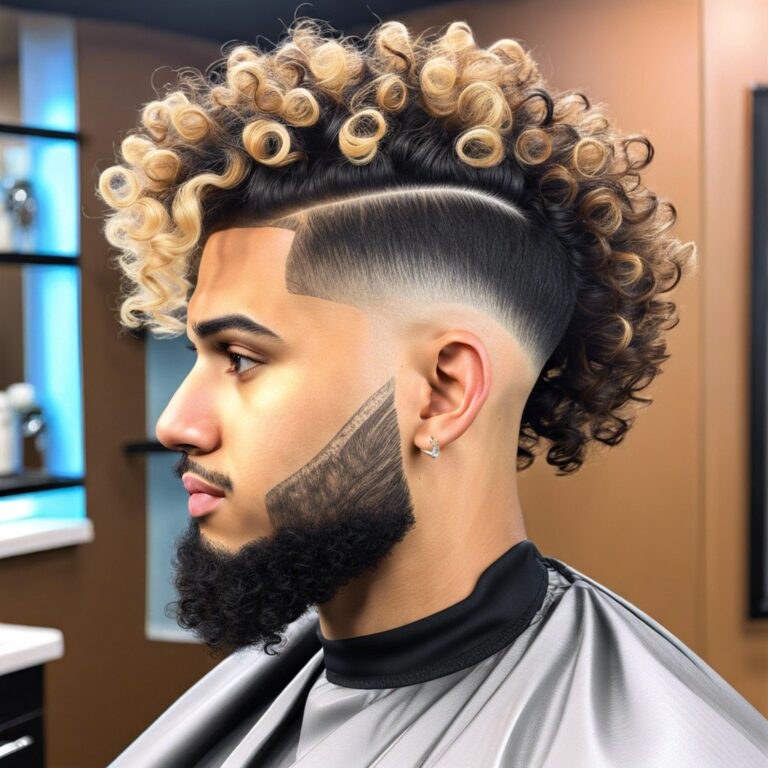
How to ask for a burst fade
Say that you want a curved fade around the ear that drops toward the neckline, then identify low, mid or high placement. State whether you prefer skin exposure or a shadow, how much weight should remain above the curve, and what the back should do. Bring side and rear photographs.
A practical brief is: “Give me a mid burst around the ear, keep a darker connection into the top, and let the curve drop into a natural neckline. I want texture on top and a shadow rather than bare skin.” Adjust those details to your preference.
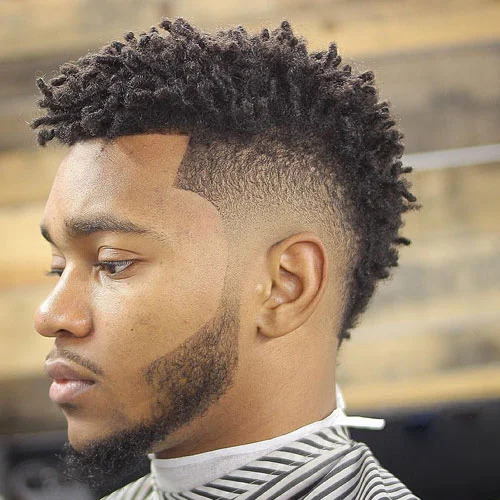
Maintenance and styling
The shortest, highest-contrast versions reveal growth first. Book a refresh when the arc loses definition or the connection grows bulky, not because a fixed number of days has passed. Avoid cutting into the curve at home; a small correction on one side can force the entire fade higher.
Style the top on damp hair, establish direction, then add the least product needed. Keep heavy product off the faded section. A light cream supports waves, matte paste separates short straight hair, and curl cream or foam can define textured tops without flattening them.
Is it the right cut for you?
A burst fade suits someone who wants a distinctive side profile while keeping options through the top and back. It can be restrained for work or school, or pushed higher for a bolder result. The adjustable curve makes it more versatile than the name may suggest.
Choose the version that fits your real appointment rhythm and texture. A barber can adapt the arc around scars, cowlicks, recession or uneven density, but those details should be discussed before cutting begins.
For the closest companion reading, compare Burst Fade Haircut: The Complete Guide, then use Burst Fade vs Taper Fade: Which Cut Fits You? to refine the decision before your appointment.
Frequently asked questions
What is the main feature of a burst fade?
A semicircular fade that wraps around the ear and drops toward the neckline while preserving more length through the center or back.
Is a burst fade only for mohawks?
No. It also pairs with crops, curls, waves, blowouts, mullets, quiffs and longer tops.
Can a burst fade be subtle?
Yes. Keep the arc low, use a shadow finish and retain weight above the ear for a quieter result.
How is it different from a taper?
A taper usually shortens only the temple and nape. A burst fade creates a more visible curved transition around the ear.
How long does it last?
That depends on growth and contrast. Refresh it when the arc or connection loses shape rather than following one universal schedule.
Conclusion
The strongest result comes from agreeing on placement, retained weight, top direction and upkeep before the barber starts cutting. Use the references to discuss those decisions, then adapt them to your texture and growth. With those details agreed, what is a burst fade becomes a cut you can request with confidence.
More verified free-stock references
Use these additional real photographs to discuss shape, placement and finishing details.
Written by Derek Nolan, an editorial pen name used for consistent authorship. No unverified barber credential or firsthand salon claim is presented. Visual references carry source credits with each image. Credited third-party photographs remain the property of their respective owners; source attribution is provided and rights concerns are handled through the Copyright Policy.