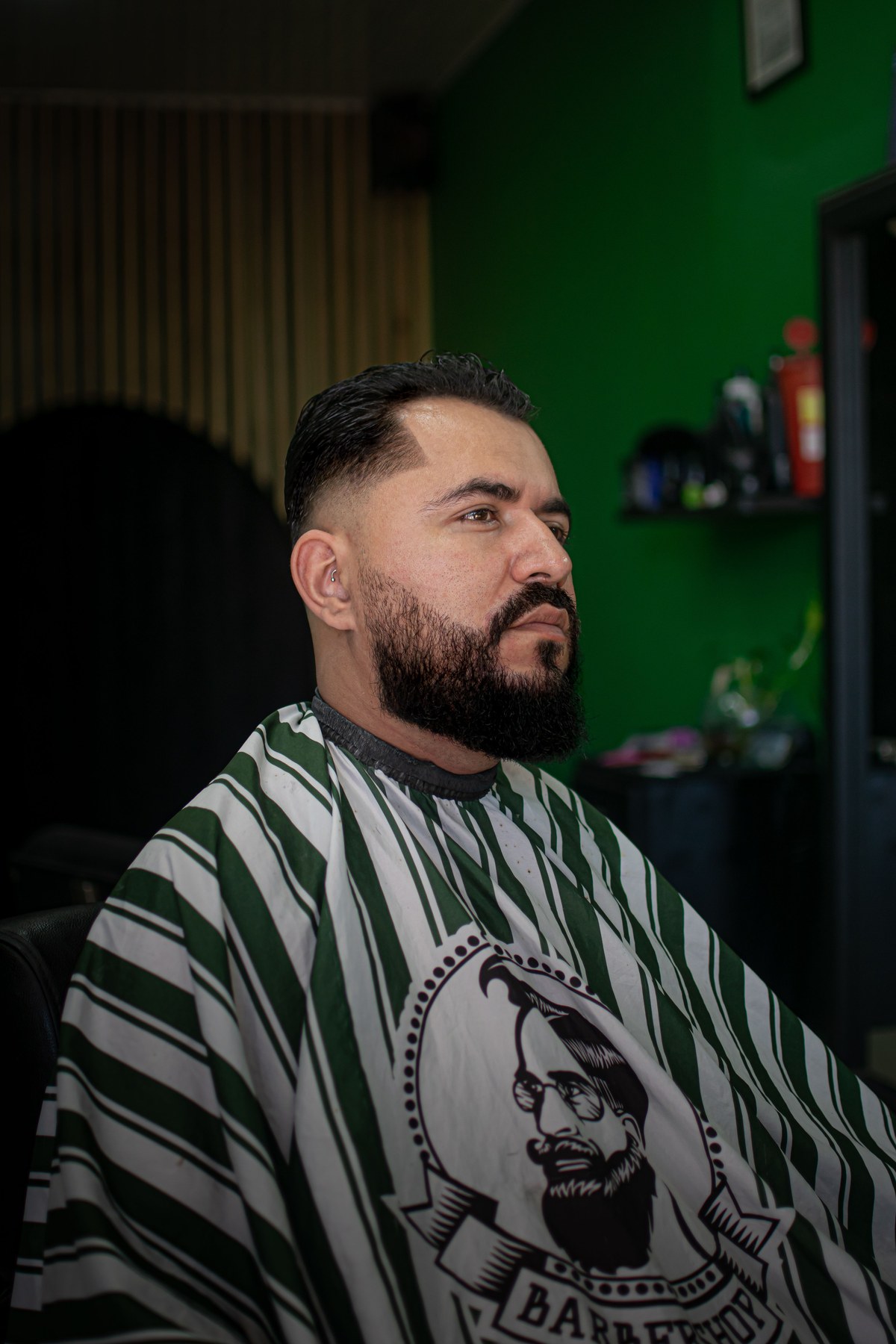
Your haircut speaks before you do — in a job interview, a client meeting, or your first day at a new office. The good news: a professional haircut for men is not about looking boring. It is about looking deliberate — clean edges, controlled length, and a shape that still looks sharp at 5pm.
This guide walks through 8 office-ready haircuts for conservative workplaces and business-casual offices alike. Every style is shown on a real photo, with notes on who it suits and how to style it. You will also get the exact script to use with your barber, so you walk out with the cut you pictured.
What Makes a Haircut Look Professional?
Forget the idea that professional means one specific cut. Most workplaces judge your hair on neatness, not the name of the style. A tidy low fade reads as professional; a grown-out, fuzzy neckline does not — even on the most conservative cut.
Three things do the heavy lifting. First, clean edges: the neckline, the hair around your ears, and your sideburns should look finished, not forgotten. Second, controlled length on top: you should be able to style it the same way every morning in a few minutes. Third, intent: the cut should look chosen, not accidental. A side part, a taper, or a neat crop all signal that you thought about it.
There is a difference between conservative and clean. Conservative is about the shape — classic silhouettes like the side part, the taper, and the crew cut. Clean is about the finish — sharp lines, no stray hairs, product that holds without looking wet. When in doubt — a big interview, a strict dress code — lean conservative.
8 Office-Ready Haircuts for Men
Each style below is a proven office choice. Pick the one closest to your hair type and your morning routine.
1. The Clean Slick-Back

The slick-back is the boardroom classic: the full top combed straight back, sides kept short and tapered so the silhouette stays slim. It suits straight to wavy hair with a few inches of length on top, and it is a strong pick for client-facing roles and interviews because it reads as confident and controlled.
Styling is simple — towel-dry your hair, work a small amount of pomade through it, and comb straight back. Keep the sides tapered rather than long, or the cut widens out and loses its sharpness by midday.
2. The Classic Taper with Side Part

If you want the single safest interview haircut ever invented, this is it. The taper keeps the sides and back neat without the high contrast of a skin fade, and the side part gives the top clear structure. It suits most face shapes and most hair types, which is why barbers recommend it to men who say “just make me look professional.”
Ask for scissor work through the top so it lies naturally, and decide with your barber whether you want a razored part line (sharper) or a natural part (softer, more traditional). If you prefer stronger contrast on the sides, read our overview of the different types of fades before your appointment.
3. The Neat Low Fade with Side Part

Like fades but need to stay office-safe? Keep the fade low. When the shortest part sits down near the ear, the overall read is conservative — you get the crispness of a fade without the statement of a high skin fade. Our low fade haircut guide breaks down the variations. See our complete guide to the fade haircut for men if you want to understand fade heights before your appointment.
4. The Subtle Business Quiff

A quiff with the volume turned down is an excellent office cut: the front lifts up and back for shape, but stays controlled instead of spiky. It works especially well for thick hair, where the natural volume does most of the work, and the tapered sides keep the whole thing tidy.
Style it with a blow dryer for two minutes in the morning — lift the front up and back — then set it with a matte product. Want the full-height, classic version? Our pompadour haircut guide covers that in detail.
5. The Clean Crew Cut with Fade

The crew cut is the lowest-maintenance professional haircut there is: short all over, a little more length on top, faded sides. There is nothing to style — towel-dry and go — which makes it ideal for men with busy mornings, gym routines, or thinning hair. Short all over looks intentional, where longer thinning hair can look neglected.
Keep the fade clean and the top even. That is the entire maintenance plan, and it is why this cut has survived every trend cycle.
6. The Tidy Textured Crop

Texture is perfectly fine for the office — as long as it looks deliberate. The rule: short, even texture on top, a clean fade on the sides, and no stray length hanging over the ears or forehead. Done right, it looks modern and sharp rather than messy.
This cut is a natural fit for wavy or thick hair, where texture happens on its own. A pea-sized amount of matte clay scrunched through dry hair is all the styling it needs.
7. The Professional Comb-Over
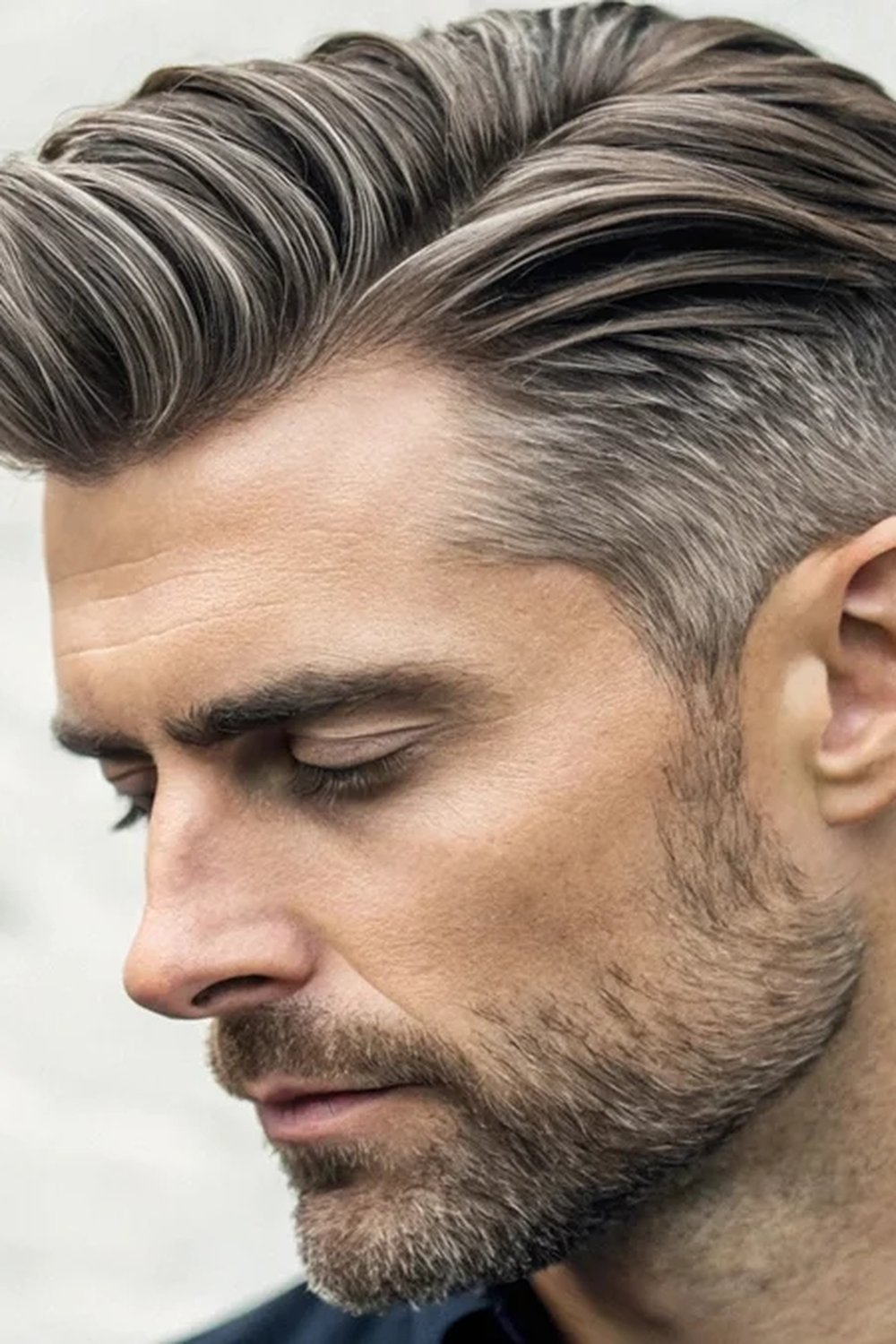
Forget the stereotype — the modern comb-over is a sharp office cut. The top is swept cleanly to one side over a low fade, giving you a polished silhouette with real structure. It is a smart option for fine hair, because the sweep creates the impression of fullness.
The key is length discipline: the top needs enough hair to sweep, but not so much that it flops by afternoon. A light-hold product combed through damp hair sets the direction for the day.
8. The Side-Swept Taper

A softer take on the side part: the top is swept to the side with a natural fall instead of a hard part line, and the sides taper down cleanly. It is the right choice if you like the side-part family but find a defined part too severe. For more on the taper family, see our mid taper fade guide.
This cut grows out gracefully, which means fewer emergency barber visits. It suits straight and slightly wavy hair and works across ages — genuinely hard to get wrong.
What to Tell Your Barber (Exact Script)
Most bad haircuts come from vague instructions, not bad barbers. Save one photo from this guide — the one closest to your hair type — and show it first. Then say the cut’s name plus three specifics: how short the sides go, how much length stays on top, and how you will style it.
Example: “Classic taper with a side part. Tapered sides — not faded to skin. Leave about two inches on top. I’ll part it on the left.” Then ask: “Does my hair type work with this, or would you adjust anything?” It is far easier to adjust the plan than to fix the cut.
Upkeep Between Cuts
A professional haircut is a maintained haircut. Fades and tapers start losing their edge after a couple of weeks, so book your next appointment before you leave the chair — every 3 to 4 weeks is the rhythm for most of the cuts in this guide, sooner if your sides are very short.
Between visits, keep the neckline tidy — a quick pass with a trimmer, or ask your barber for a neck cleanup (many offer it free). And do not skip product: it is what makes the cut look the same on day 20 as it did on day 1.
FAQs
Are fades considered professional?
A low or mid fade with a neat, controlled top is accepted in most modern offices. For interviews or strict dress codes, stay conservative: a low fade or a taper rather than a high skin fade.
What is the best haircut for a job interview?
The safest choices are the classics — a side part with a taper, a neat low fade, or a crew cut. Get the cut a few days before the interview, not the morning of, so it settles naturally.
How often should I get a haircut to look professional?
Every 3 to 4 weeks for most short professional cuts. Very short fades need attention sooner; longer tops with tapers can stretch a little further.
Can I keep longer hair and still look professional?
It depends on your workplace. If you keep length, it has to look intentional — tidy, styled, and out of your face. In conservative industries, shorter is simply easier.
What exactly should I ask for at the barber?
Name the cut, then specify the sides, the top length, and how you’ll style it — and show a photo. The script in the section above covers it word for word.
Conclusion
You do not need a dramatic change to look professional — just a clean, deliberate cut you can maintain. Pick one style from this guide, use the barber script, and keep the 3-to-4-week rhythm.