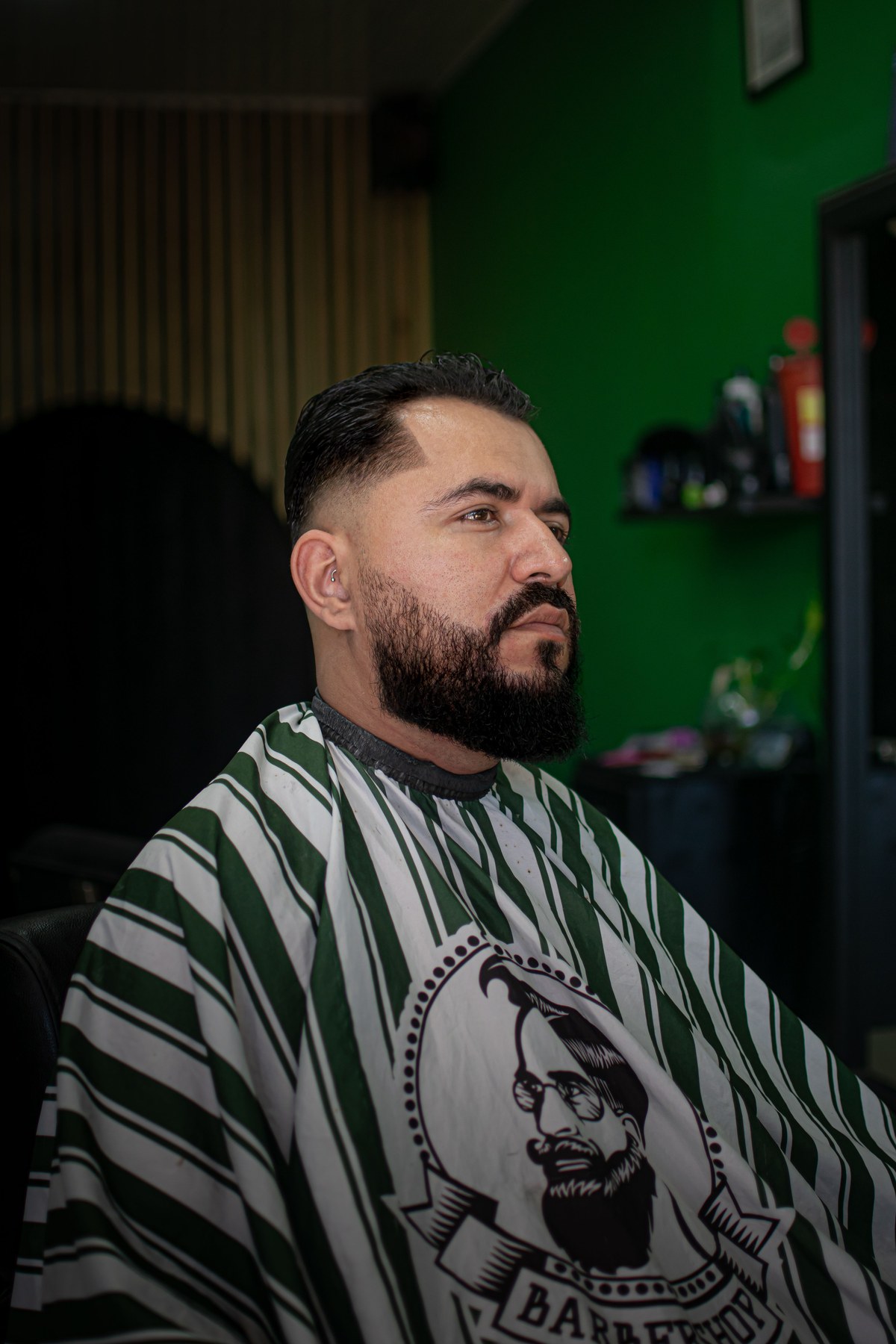
Pair a flow hairstyle with a burst fade using the right length, layering, side connection, barber brief, styling technique and grow-out plan. Practical guidance on shape, barber language, styling and maintenance.
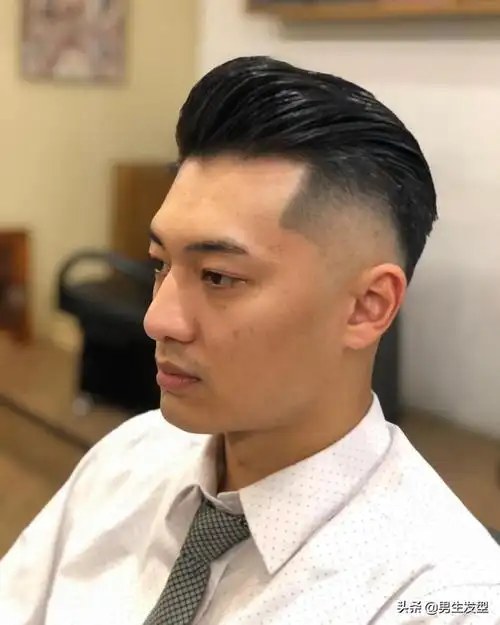
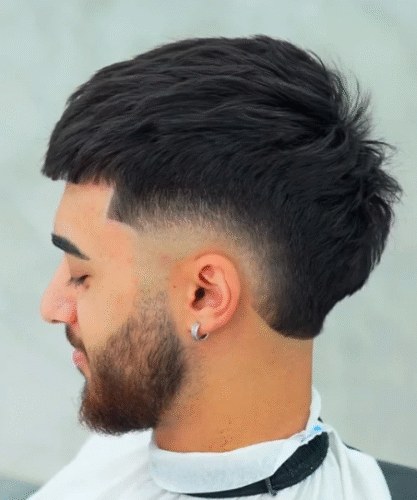
A burst fade flow combines medium-length hair that moves back or away from the face with a curved fade around the ear. The flow supplies softness and direction; the burst supplies clean side definition. The pairing succeeds when the fade stays localized and the longer layers keep enough weight to sweep naturally without falling into a blunt shelf. Getting this balance right is what makes a burst fade flow look effortless rather than overdone.
What “flow” means in this haircut
Flow is movement rather than one fixed length. The hair follows a backward, outward or side-swept path with visible bend through the ends. It should not look pasted flat or forced into a rigid shape. A burst fade reveals the ear and gives that movement a cleaner frame.
The flow can be modest, with the front swept away from the face, or more pronounced through the crown and back. Decide which direction matters most before cutting layers.
Length and growth requirements
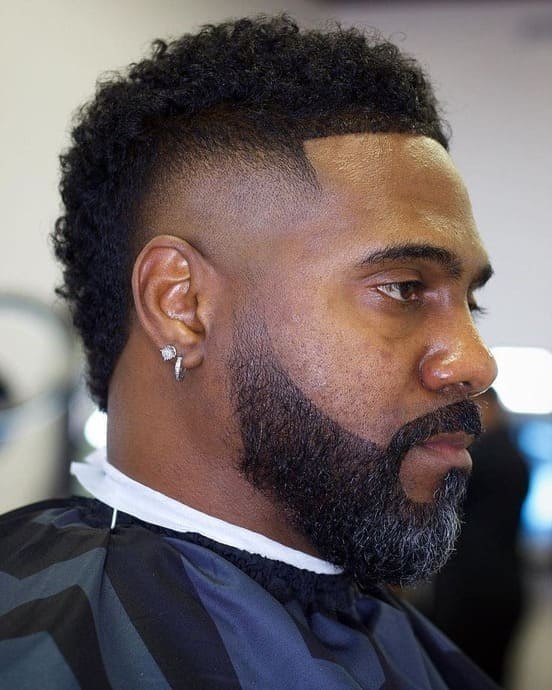
Most flow styles need enough length for the hair to bend. Straight hair may require more length before movement appears, while waves can show flow sooner. Loose curls create a fuller version with more vertical expansion. If the current top is too short, keep the burst low during the growth phase.
Trim damaged ends and rebalance layers without sacrificing the overall path. Repeatedly shortening the front can prevent the style from ever moving back comfortably.
Choose the burst placement
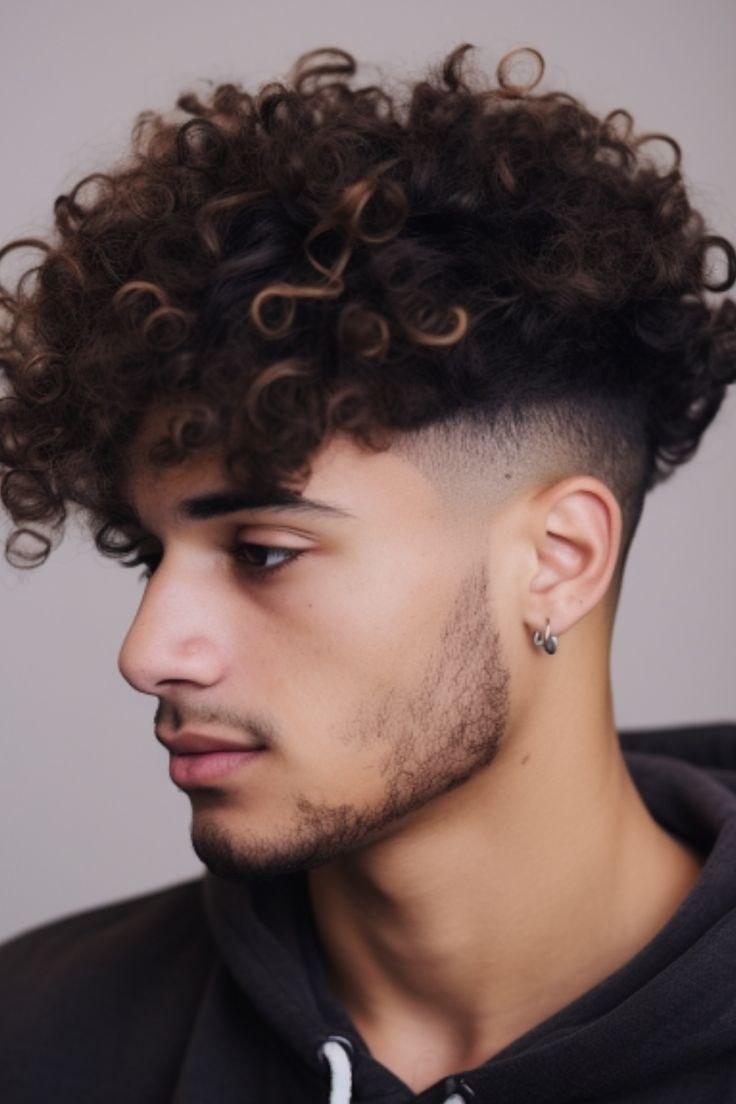
A low burst blends quietly into flow and preserves the broadest connection. A mid burst makes the side profile more visible while still supporting movement. A high burst creates a sharper editorial contrast and may expose the boundary whenever the hair shifts.
For everyday flexibility, low-to-mid shadow placement is the safest starting point. It works when the hair is styled back, loose or partially forward.
Layering and connection
The barber should remove weight where it blocks movement, not everywhere. Long layers guide direction while shorter internal sections can support lift. Around the ear, the transition must soften into the upper length so the flow does not hang over a hollow spot.
Ask to see the hair in its natural dry state. A clean connection when wet may behave differently once waves expand or the crown separates.
How to ask your barber
Say: “I am growing a flow that moves back and outward. Keep the top and center back length, use a low-to-mid burst only around the ear, and soften the connection so there is no ledge when the hair falls.” Show side and rear references.
Tell the barber whether you tuck the hair behind the ear, wear headphones or alternate between loose and controlled styling. Those habits change where weight is useful.
Styling the burst fade flow
On damp hair, distribute a light leave-in or styling cream through the longer sections. Use fingers or a wide-tooth comb to set the backward path. Air-dry for softer movement or use low to medium airflow from front to back while supporting the roots.
Avoid brushing every strand into one smooth sheet. The flow looks natural when sections move together but retain separation. Finish with a small amount of flexible product at the mid-lengths and ends.
Humidity, texture and product
Waves and loose curls may need moisture control more than strong hold. Fine straight hair often benefits from a lightweight volumizing product that does not coat the roots. Dense hair may need internal weight removal plus a flexible cream.
Choose product based on the weather and your normal routine, then use the smallest effective amount. Heavy oils near the faded side can make the blend look darker and reduce the visual separation that frames the flow.
Grow-out and maintenance
Flow is designed to gain length, so maintenance should protect direction rather than reset everything. Refresh the burst when the ear arc loses shape and ask for a light layering adjustment when the top becomes heavy. Keep the neckline consistent with the long-term plan.
Photograph the successful side and rear connection. At later visits, state which sections are still growing. A clear growth plan prevents the burst from creeping higher or the back from being shortened by habit.
Protecting movement after the appointment
For the first washes, recreate the drying direction before deciding whether the layers work. Blot rather than rough-dry, apply a light product through the mid-lengths, and guide the hair backward with fingers while it is damp. This reveals the intended movement without forcing every strand into a rigid finish.
If one side repeatedly collapses toward the ear, note the natural growth direction for the next visit. The solution may be a softer connection or a small layering adjustment, not a higher burst. Keeping that distinction clear protects length while the flow continues to develop.
For the closest companion reading, compare Burst Fade with Long Hair: Keep Flow Without the Bulk, then use Blowout Burst Fade: Volume, Shape & Barber Brief to refine the decision before your appointment.
Frequently asked questions
How long does hair need to be for burst fade flow?
It needs enough length to bend and move backward or outward. The exact length varies by texture, with waves often showing movement sooner than straight hair.
Can curly hair wear a flow?
Loose curls can create a strong flowing silhouette. Tighter patterns may produce a rounded directional shape rather than the same sweeping effect.
Should the burst be low or mid?
Low to mid usually preserves the smoothest connection. High placement creates deliberate contrast.
How do I grow the style without looking untidy?
Keep the ear arc and neckline maintained while trimming only what is necessary to guide layers and remove excess internal weight.
Conclusion
The strongest result comes from agreeing on placement, retained weight, top direction and upkeep before the barber starts cutting. Use the references to discuss those decisions, then adapt them to your texture and growth. To keep a burst fade flow looking its best, recreate the drying direction after every wash and keep the ear arc tidy between appointments. If movement starts to collapse, review your layering rather than cutting length. With that routine, the burst fade flow grows out cleanly and holds its shape. Stick with the routine for a few weeks and your burst fade flow will settle into a dependable, low-fuss style.
More verified free-stock references
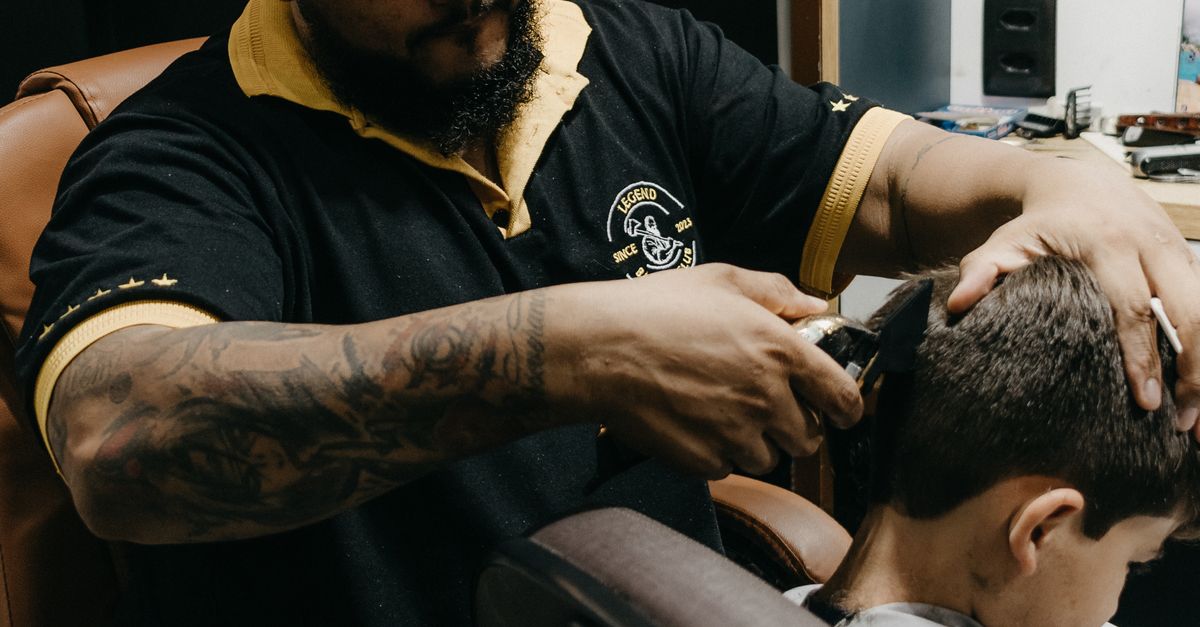
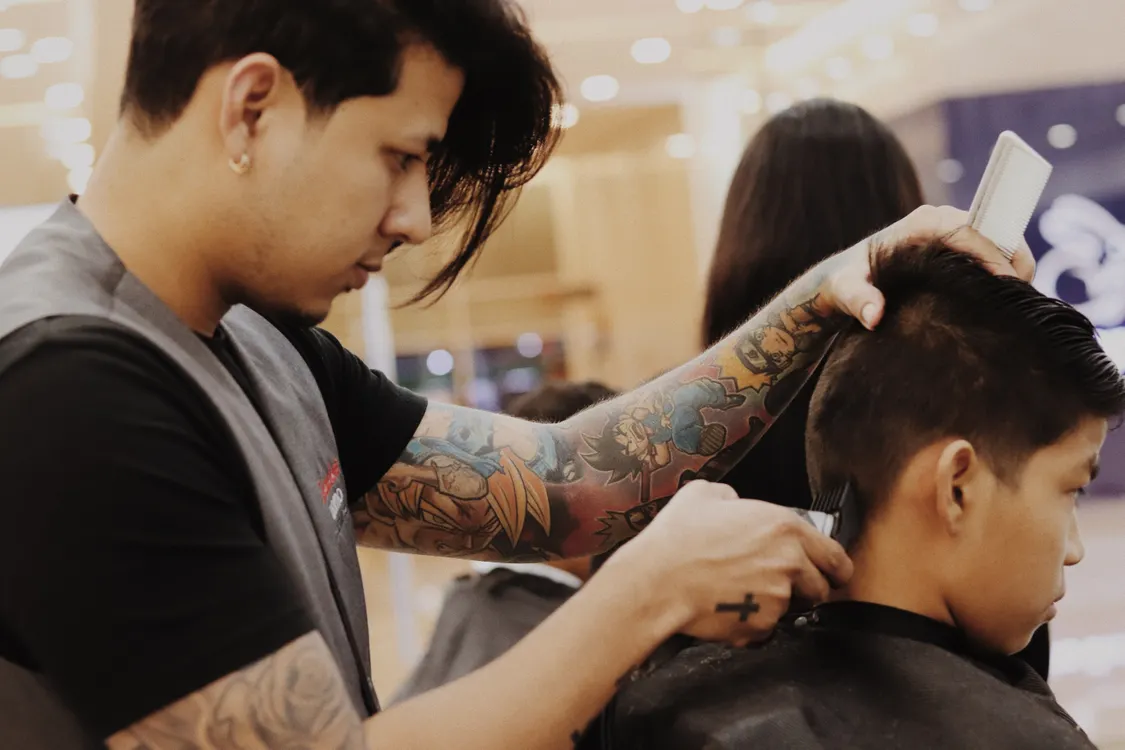
Use these additional real photographs to discuss shape, placement and finishing details.

Written by Derek Nolan, an editorial pen name used for consistent authorship. No unverified barber credential or firsthand salon claim is presented. Visual references carry source credits with each image. Credited third-party photographs remain the property of their respective owners; source attribution is provided and rights concerns are handled through the Copyright Policy.