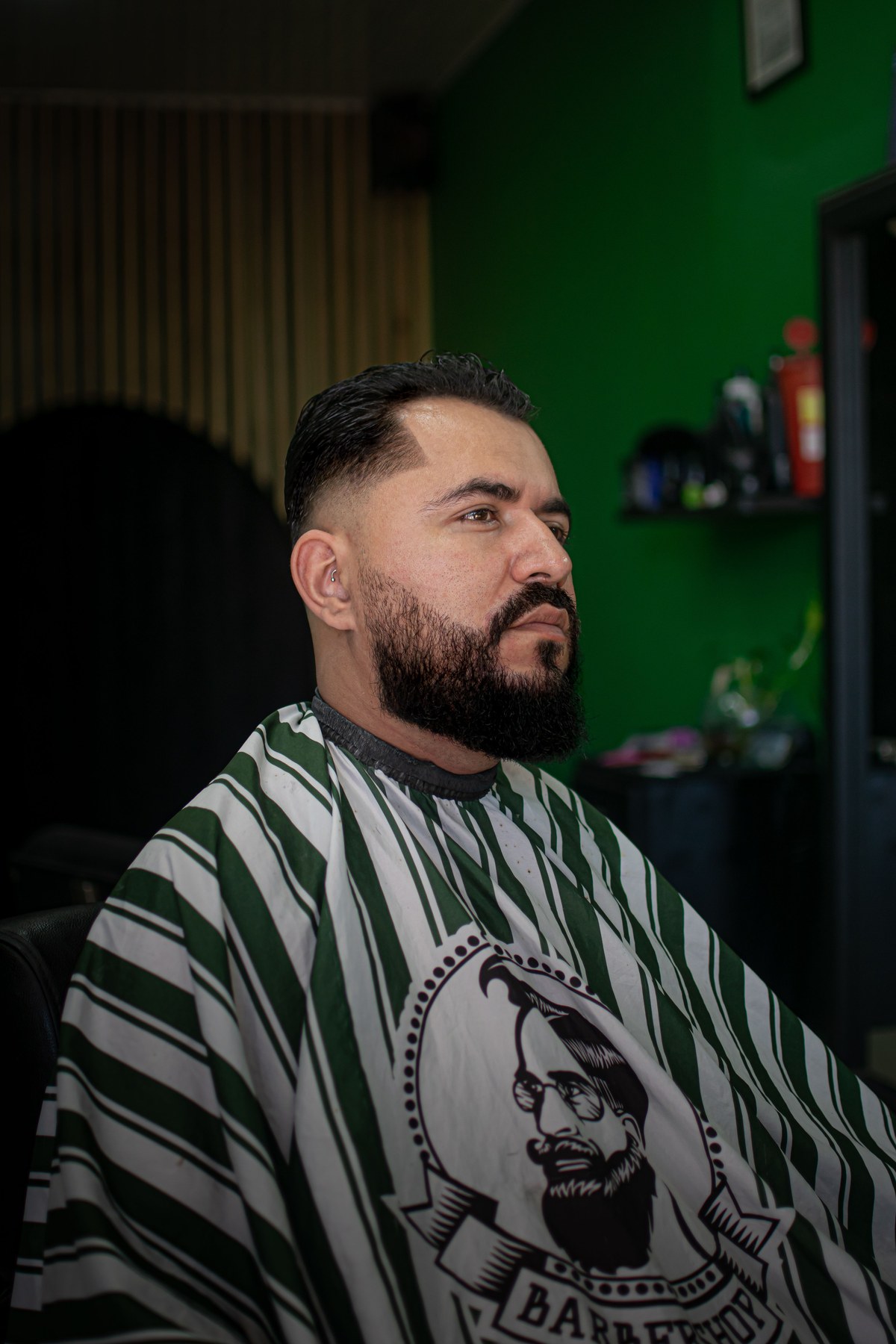
How to pair a burst fade with long hair while preserving movement, controlling the connection, briefing your barber and maintaining the shape. Practical guidance on shape, barber language, styling and maintenance.

A burst fade with long hair creates clearance around the ear while protecting movement through the top and back. The difficult part is not making the fade short; it is connecting a small curved zone to much longer hair without a shelf. A low or mid burst, careful weight control and a clearly planned back shape keep the result intentional from every angle. Done well, a burst fade with long hair looks deliberate whether worn loose, tied back or swept away from the face. That versatility is the main appeal of a burst fade with long hair.
Why long hair changes the plan
Long hair carries more weight and movement, so it can collapse over a high fade or reveal a blunt disconnect. The barber must decide which strands belong to the flowing top and which belong to the shorter side. That boundary should follow the intended parting and natural fall, not a generic clipper line.
Ask to see the connection while the hair is dry or close to its normal state. Wet length can hide spring, volume and cowlicks. The finished burst should remain visible when you style normally without requiring the top to be pinned unnaturally high. Checking the cut dry is standard practice for a burst fade with long hair.

Choose low, mid or high placement
A low burst is the safest choice when preserving maximum fullness. It clears the ear and leaves a generous buffer before the long section. A mid burst creates more separation and can sharpen a flow or mullet. A high burst produces dramatic contrast but risks making the top look detached unless the style is intentionally undercut.
Show the barber how much of the ear should be exposed and where the curve should disappear into length. If you wear the hair both loose and tied, explain both modes; the transition must look considered when the sides are uncovered.

Build a soft connection
Scissor-over-comb, clipper-over-comb and controlled point cutting can remove internal bulk while preserving an outer veil of length. The goal is not to blur every boundary. Some long styles need a visible weight line, but it should look chosen rather than accidental.
Avoid thinning aggressively near the roots simply to make the fade connect. Excess removal can create short flyaways and reduce support. Dense or curly hair often needs weight removed in selected interior sections while the perimeter remains strong.

Long style pairings
A brushed-back flow uses the burst to expose the ear and emphasize movement. A long curly top keeps a rounded canopy with cleaner sides. A burst fade mullet protects length through the center back. Braided or tied styles can reveal the curve more clearly, but tension and sectioning should be comfortable and appropriate for the hair.
Decide whether the neckline should stay long, taper softly or finish clean. That choice changes the identity of the haircut more than a minor difference in clipper length.

The barber brief for a burst fade with long hair
Say: “Keep my top and central back length, create a low-to-mid burst around the ear, and soften the connection so the long hair falls without a ledge. I wear it both loose and swept back, so please check both positions.” Add your preferred skin exposure and neckline.
Bring a reference that shows the back, not only a dramatic profile. Ask what length must remain to achieve the flow you want and whether your current layers are sufficient. If more growth is needed, choose a temporary lower burst rather than cutting the connection too high.

Styling a burst fade with long hair
Begin with damp hair and distribute a light leave-in or cream through the lengths, not the fade. For flow, guide roots backward with fingers and low or medium airflow while allowing the ends to bend naturally. For curls, define sections gently and let them set without repeated handling.
Use less product than a still photograph seems to demand. Heavy wax can pull long hair flat and obscure the burst. If hold is needed, layer a light pre-styler with a small amount of finishing product at the ends.
Washing, drying and scalp comfort
Long hair may need conditioning through the mid-lengths and ends while the short faded area needs thorough rinsing. Avoid leaving rich conditioner on the perimeter, where buildup is obvious. Blot with a towel rather than rubbing, and detangle from the ends upward.
Keep heat moving and use a comfortable setting. Persistent irritation, flaking, pain or shedding deserves appropriate professional assessment; changing the haircut alone is not a diagnosis or treatment.
Maintenance without losing length
Ask for a perimeter and burst refresh while protecting the agreed top and back lengths. A barber can rebalance internal weight without shortening the outer silhouette. Photograph the side and back after a successful cut so future appointments do not gradually raise the fade.
At home, maintain cleanliness and direction rather than trimming the connection. Long styles tolerate a softer burst as it grows, but once the weight above the ear forms a shelf, professional blending is the safer correction. That light-touch routine keeps a burst fade with long hair looking sharp between visits.
For the closest companion reading, compare Burst Fade Flow: Movement, Length & Clean Side Shape, then use Burst Fade Haircut: The Complete Guide to refine the decision before your appointment.
Frequently asked questions
Can you get a burst fade without cutting the long top?
Usually, yes. A burst fade with long hair keeps the top length while the barber localizes the fade around the ear, though some connection work may be needed where the top meets the side.
What height works best with long hair?
Low or mid placement is usually easiest to connect a burst fade with long hair while preserving flow. A high burst creates a stronger intentional disconnect.
Can long curly hair work with a burst fade?
Yes. Plan for shrinkage and preserve enough length above the ear for the curl pattern.
How do I grow it out?
Keep the neckline and perimeter tidy, avoid raising the arc, and ask for internal weight balancing while the top and back continue growing.
Conclusion
The strongest result comes from agreeing on placement, retained weight, top direction and upkeep before the barber starts cutting. Use the references to discuss those decisions, then adapt them to your texture and growth. A well-planned burst fade with long hair grows out gracefully when the perimeter stays tidy and the top keeps gaining length.
More verified free-stock references
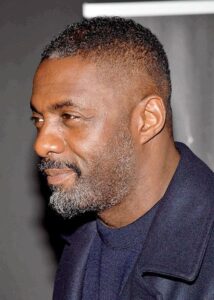
Use these additional real photographs to discuss shape, placement and finishing details.


Written by Derek Nolan, an editorial pen name used for consistent authorship. No unverified barber credential or firsthand salon claim is presented. Visual references carry source credits with each image. Credited third-party photographs remain the property of their respective owners; source attribution is provided and rights concerns are handled through the Copyright Policy.
Choose a burst fade with long hair if you want movement without the bulk.