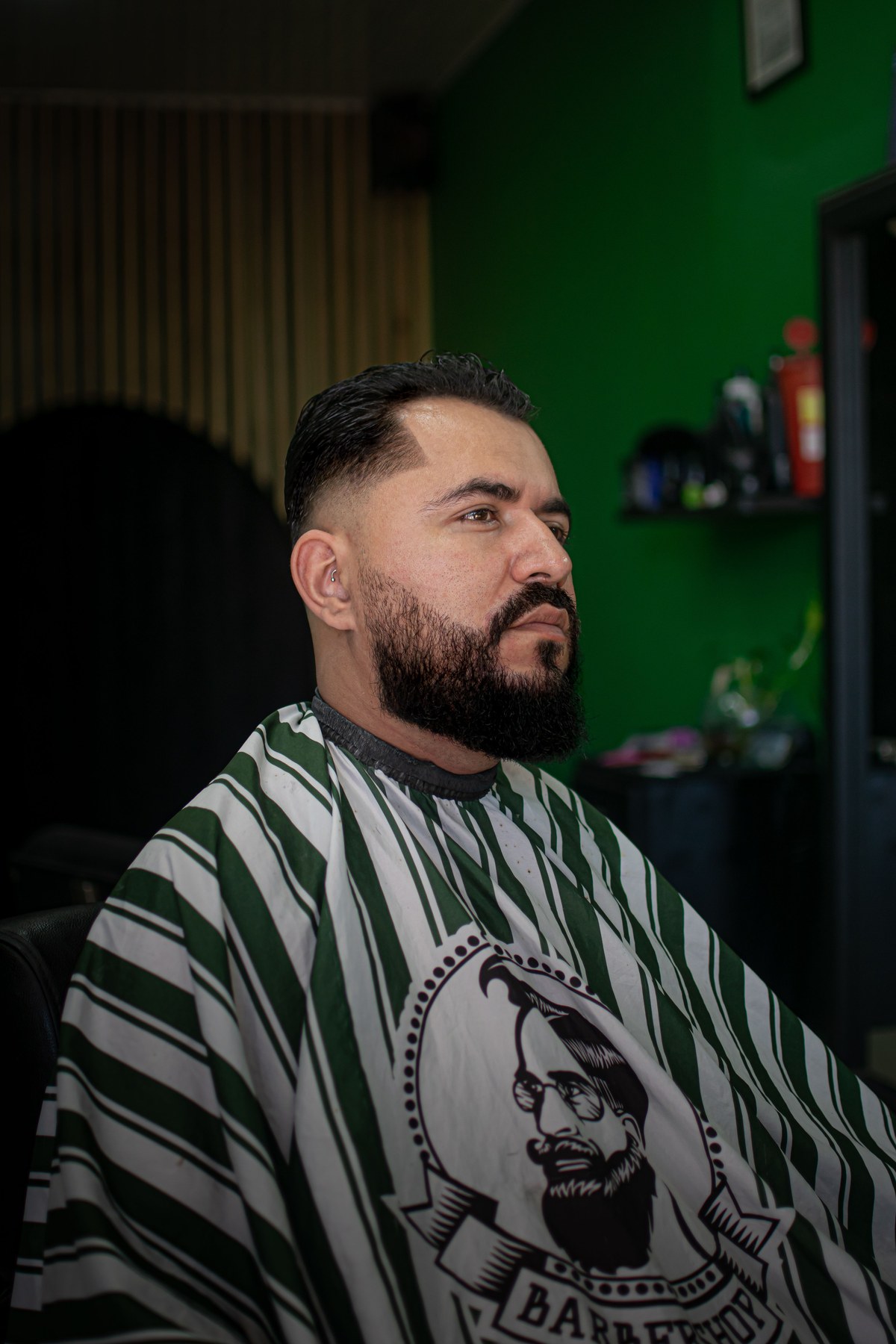
A low taper fade buzz cut pairs one short, even clipper length on top with a quietly precise taper at the sides and neckline. Here is how the cut works, which guards do what, who it suits, and exactly what to tell your barber.

A low taper fade buzz cut is the meeting point of two classics: the no-nonsense buzz cut and the precise low taper. The top is clipped to one short, even length, while the sides and neckline step down gradually — shortest near the ears and nape, blending softly rather than disappearing into skin. Sharp without shouting.
What the cut actually is
A buzz cut means the top is cut with clippers to a uniform guard length — no scissor layering, just one clean length across the crown. The low taper is what happens at the edges: instead of taking the sides to skin, the barber gradually shortens the hair toward the neckline, sideburns and around the ears. The transition stays low on the head, so most of the side keeps its length.
That restraint is the whole point: a calm silhouette that reads as intentional rather than aggressive.

Clipper guard lengths, explained
Guard numbers are the language of this haircut. The standard lengths: a #0 leaves about 1.5mm, a #1 about 3mm, a #2 about 6mm, a #3 about 10mm and a #4 about 13mm, with no guard going shorter still. For the top, the sweet spot is usually a #2 or #3 — a #2 looks crisp with faint scalp show-through, while a #3 softens everything and flatters thinner hair.
A #4 keeps enough length to show texture, a #1 is unmistakably short, and a #0 induction cut exposes the full shape of the skull. The taper is built by stepping down from the top guard through shorter guards, finishing with a #0 or trimmer at the edges. Naming only a top guard without discussing the taper is the most common way this cut goes wrong.
The best variations to know
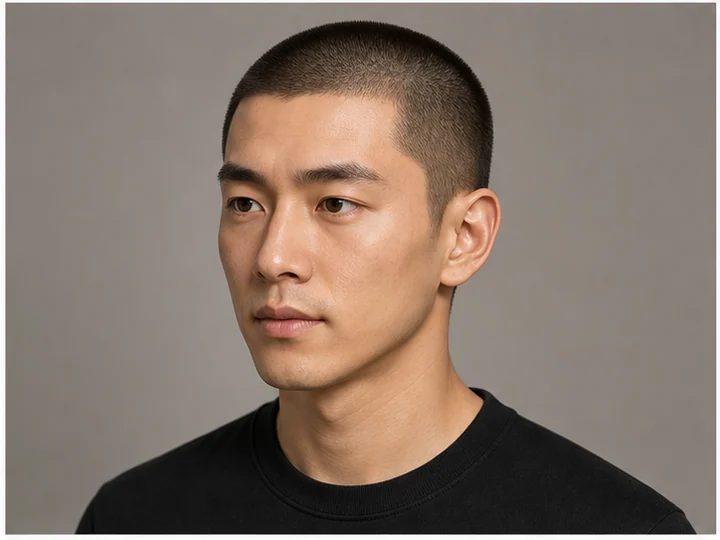
The classic version is a #2 or #3 on top with a low taper finishing just above the skin at the edges. It is the version to choose when you want the haircut to look good in every setting and grow out without drama. From there, the variations branch in a few useful directions.
A #4 on top keeps enough hair to show texture for a softer feel. Pairing any length with a shaped beard turns the cut into a full silhouette, with the taper connecting into the beard. A lineup adds crisp geometry at the hairline. At the shorter end, a #1 with a tight taper is maximum contrast in minimum hair — striking, but it shows every contour of the head.

Who it suits
The buzz follows the skull, so head shape matters more here than with longer styles. Oval and squarish faces carry it effortlessly, while rounder faces benefit from a #3 or #4 on top to add a little height. A defined jawline becomes the focal point of the cut.
Thick hair buzzes beautifully and gives the taper something to blend. Thinning hair often looks better buzzed than left long, since one even length removes the contrast between thin and thick areas — but keep the taper soft. Curly or coily hair needs a #3 or higher so texture reads properly. Note: the cut puts the hairline fully on display, so discuss a receding hairline with the barber first.
Low taper vs skin fade on a buzz cut
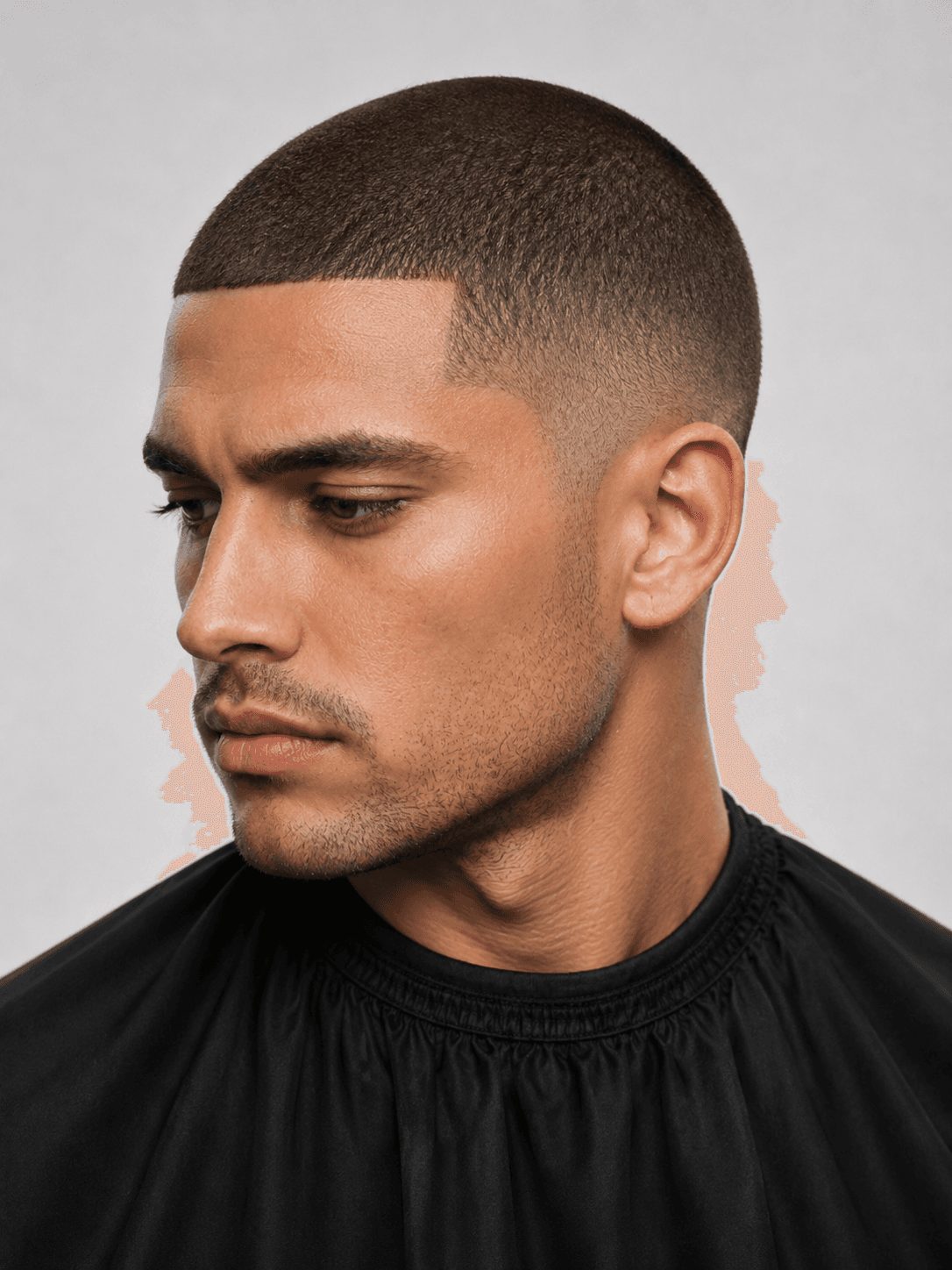
These two get confused constantly. A low taper keeps the change gradual and low: the sides stay relatively full, with only the last stretch near the neckline, sideburns and ears clipped close. A skin fade creates a visible band where the hair melts all the way to bare skin.
On a buzz cut the difference matters more than usual: the taper version looks quieter and grows out gracefully, while the skin fade looks bolder but shows stubble within days. Unsure? Start with the taper — a barber can always go closer next time. Deeper comparison: Burst Fade vs Taper Fade: Which Cut Fits You?.
What to say in the barber’s chair
Walk in with three decisions made: the top guard, the taper finish and the neckline. A clear brief sounds like this: “Number 3 on top, all over. Low taper on the sides and back — keep it off the skin, just tapered clean around the ears and neckline. Natural neckline, and keep the front edge soft, no hard lineup.” Swap in your own numbers, but keep the same three-part structure.
Two details save most appointments: point to exactly where the taper should start, and say “blend” for a soft transition or “defined” for a visible line. Bring one side-profile reference photo.

Styling and scalp care
Styling a buzz cut is almost nothing — that is the appeal. A #2 or shorter needs no product; at #3 or #4, a pea-sized amount of matte paste settles morning lift. Skip heavy waxes: they clump short hair and make an even buzz look patchy.
What the cut does need is scalp attention, because the scalp is now visible. Wash with a gentle shampoo, moisturize lightly if it runs dry, and take sun protection seriously — a buzzed scalp burns fast, so a hat or sunscreen on the head is worth building into the routine.
Upkeep and refresh timeline
A buzz cut grows out evenly, which is forgiving — but the taper is what keeps it looking like a haircut rather than just short hair. Most people find the taper loses its crispness after two to three weeks: the neckline gets fuzzy, the area around the ears fills in, and the clean edge softens. That is the signal to book the next visit.
The practical rhythm is a full refresh every 2 to 4 weeks, with an optional taper-only cleanup between cuts. Resist carving the taper yourself — one uneven pass usually pushes it higher than intended. Full routine: Keeping a Burst Fade Taper Sharp Between Barber Visits.

Common mistakes and how to avoid them
The biggest mistake is naming only a guard number — “just give me a 2” — and discovering too late that the barber’s idea of the sides differs from yours. Always pair the number with taper instructions. Second, do not go shorter than your head shape flatters on the first try; start conservative, since length cannot be added back.
Third, mind the neckline: a blocked, squared neckline looks crisp on day one but grows into a shelf within a week, while a tapered neckline grows out quietly. Fourth, mention glasses — frames interact with the taper around the ears.
If the low taper placement idea is new to you, Burst Fade Low Taper: A Placement-First Guide breaks down exactly where the shortest point should sit and how high the blend should travel before your appointment.
Frequently asked questions
What clipper guard is a low taper fade buzz cut?
There is no single guard. The top is usually cut with a #2, #3 or #4 guard, while the taper at the sides and neckline steps down through shorter guards to a #0 or trimmer finish right at the edges.
Is a low taper the same as a low fade on a buzz cut?
Not exactly. A taper stays subtle and low, cleaning up the neckline, sideburns and around the ears. A fade travels higher up the head and creates stronger contrast between the sides and the top.
How often does a buzz cut with a taper need redoing?
Most people refresh the taper every 2 to 3 weeks to keep the edges crisp. The buzzed top can go a little longer, but the taper is what keeps the cut looking intentional.
Does a buzz cut suit a round face?
It can. Keeping a touch more length on top and pairing it with a low taper adds vertical structure, which balances a rounder profile better than a uniform all-over buzz.
Can I cut a low taper buzz cut at home?
The buzzed top is easy at home with guards, but the taper blend is the difficult part. A first visit to a barber is recommended so you can see the placement, then maintain it yourself between visits.
Conclusion
The low taper fade buzz cut earns its popularity by being simple without being plain: one even length on top, a gradual taper at the edges, and nothing left to chance. Decide your guard, describe the taper finish, and settle the neckline before the clippers start — those three choices are the entire haircut.
Written by Derek Nolan, an editorial pen name used for consistent authorship. No unverified barber credential or firsthand salon claim is presented. Visual references carry source credits with each image. Credited third-party photographs remain the property of their respective owners; source attribution is provided and rights concerns are handled through the Copyright Policy.